






Highlights:
- Bitcoin’s rising price may limit average retail investors’ participation, raising uncertainty about market sustainability.
- 10x Research predicts a peak of $125,000 for Bitcoin, significantly less than some bullish predictions pointing to $1 million.
- Amidst fluctuating forecasts, institutional interest in Bitcoin remains strong, especially among elite traders.
The Evolving Landscape of Bitcoin Investment
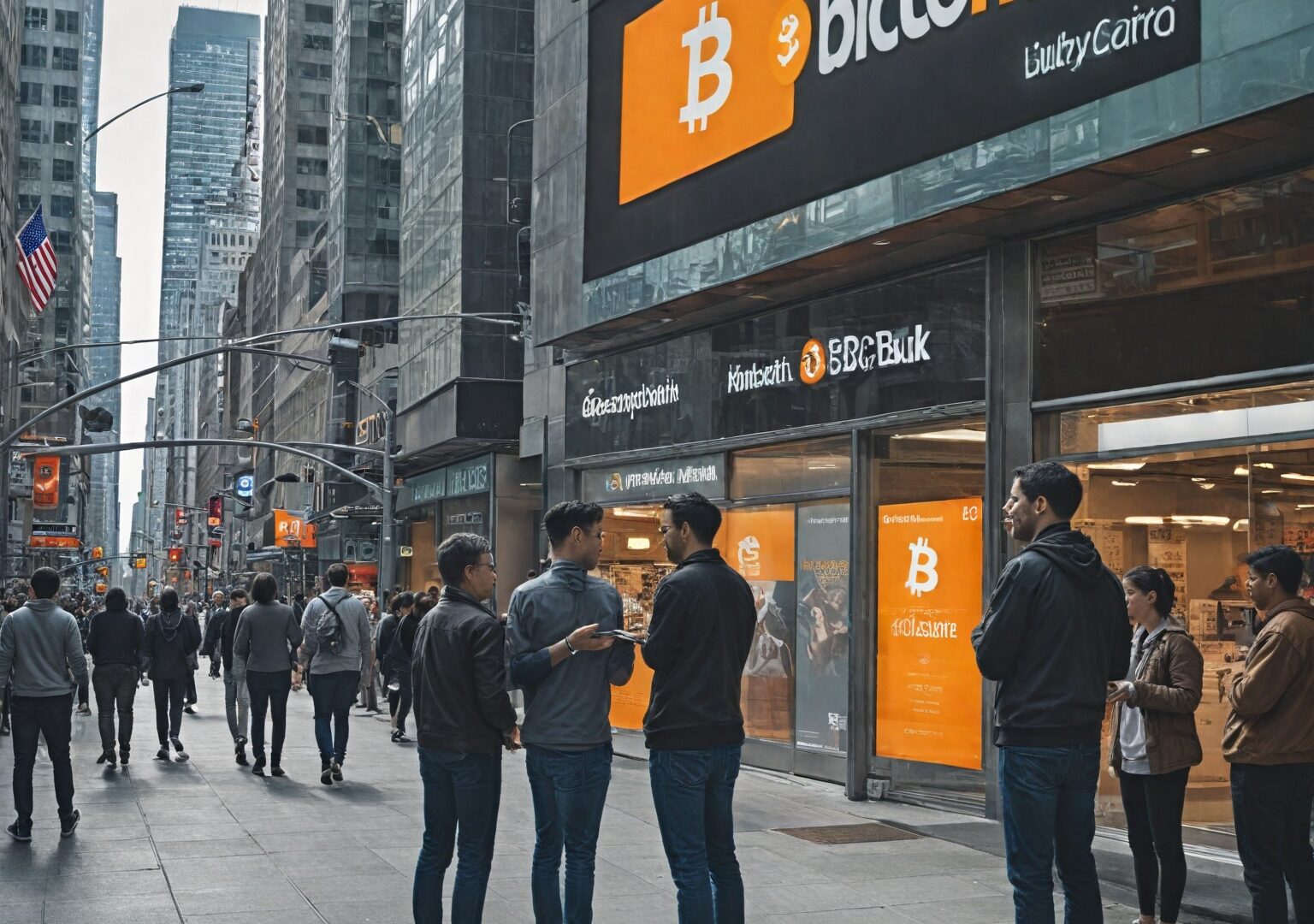
The world of cryptocurrency has witnessed rapid transformations, particularly with Bitcoin, which is becoming increasingly elusive for everyday investors. As the price surges, questions linger about the future resilience of the current bull market. The importance of Bitcoin in the financial ecosystem cannot be overstated, but its now-stratospheric prices may curtail participation from retail investors, prompting concerns over the sustainability of its trajectory.
According to insights from the crypto market intelligence firm 10x Research, the current bull run may not hold under the weight of affordability issues for average investors. With Bitcoin rapidly reaching new heights, the previously reliable four-year cycle model is being reevaluated, leading analysts to ponder whether such price growth is fundamentally sustainable or merely a temporary spike.
Market Predictions and Trends
Recent evaluations, notably from 10x Research, bring a contrarian view to the discussion surrounding Bitcoin’s future. They project a more conservative cycle peak of $125,000 by year-end, a stark contrast to the bold predictions by other market forecasters who suggest a potential Bitcoin price even reaching $1 million. The contrasting views highlight the complexities of predicting a market characterized by volatility and uncertainty.
Citing that Bitcoin has only been around for 16 years, 10x Research argues that making long-term predictions based on limited data could lead to misguided expectations. Their research also points towards the phenomenon of diminishing returns, suggesting that as Bitcoin matures, the extraordinary price rises may become increasingly difficult to replicate. This scenario highlights the need for a more nuanced understanding of the cryptocurrency landscape, especially as market predictions vary widely among experts.
Implications and Future Directions
The implications of these findings extend beyond mere price analysis; they touch upon the overall health and accessibility of the cryptocurrency market. As Bitcoin approaches levels that are challenging for retail investors, one must consider how this affects market diversity and consumer participation. Will Bitcoin become another asset class dominated by institutions, restricting the average investor’s access and influence?
In addressing these challenges, the market may need to adopt innovative solutions, such as offering more accessible derivatives or alternative investment vehicles, to encourage broader participation. Also, maintaining investor enthusiasm is crucial for the ecosystem, as it determines the market’s long-term sustainability and viability. Thus, the evolving nature of Bitcoin could very well set the stage for the future of digital currencies overall.
In conclusion, the Bitcoin market’s current state presents a mix of optimism and caution. While there are predictions of significant price movements, the questions surrounding market accessibility, particularly for retail investors, could play a crucial role in shaping its future. As we look ahead, could new investment models democratize Bitcoin ownership? What role will institutional interest play in stabilizing prices? And how will evolving market dynamics influence future cycles for cryptocurrencies?
Editorial content by Harper Smith
