






Highlights
- Withdrawal Activities at BitMart Slow as Exchange Winds Down
- Significant Drop in BitMart’s BMX Token Value Following Shutdown Announcement
- Acquisitions of Smaller Exchanges Under Scrutiny in Current Market Climate
Understanding BitMart’s Withdrawal Challenges
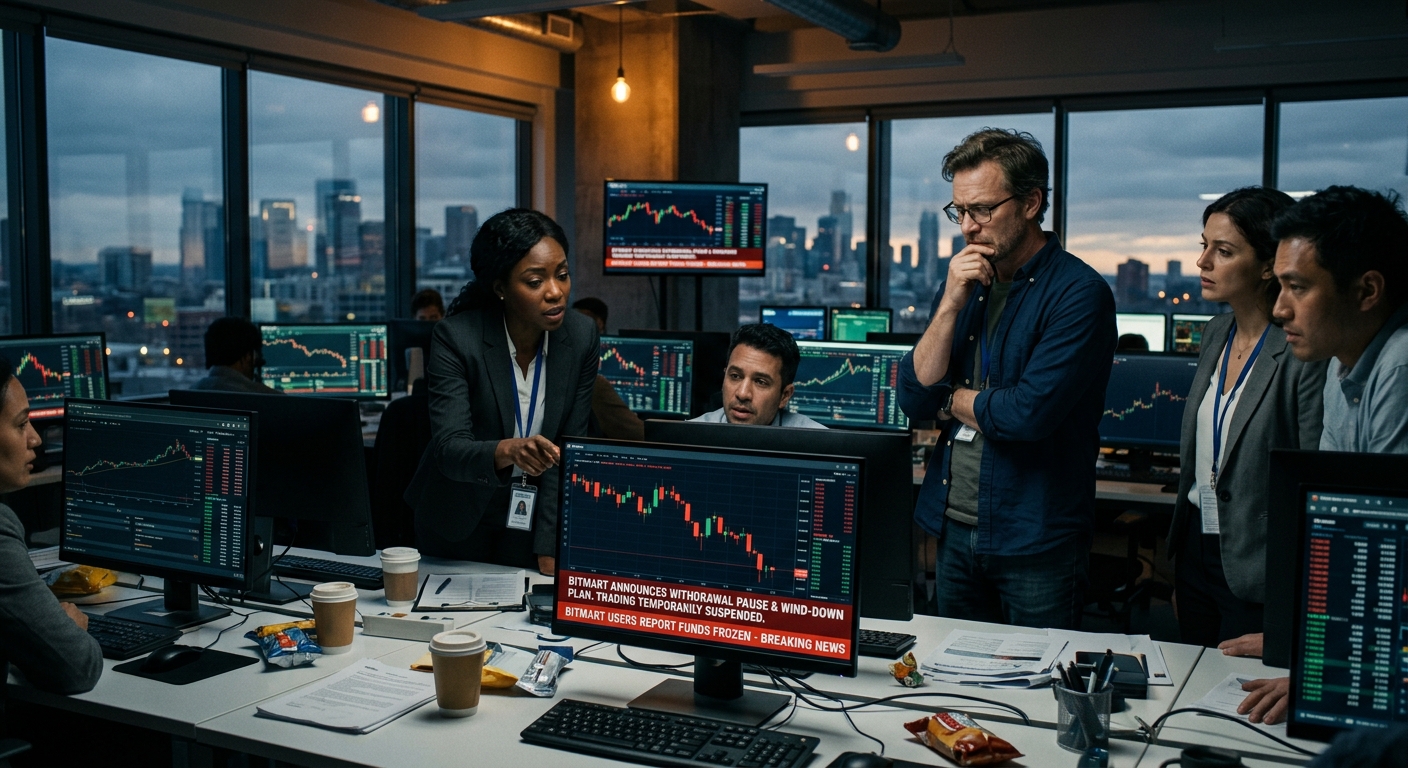
The sudden announcement by crypto exchange BitMart regarding its plan to wind down operations has raised significant eyebrows in the cryptocurrency community. As the exchange navigates the complexities of ceasing its services, users are experiencing frustration due to slow or stalled withdrawal processes. This development is crucial, as it speaks volumes about the exchange’s ability to maintain trust and secure its customers’ assets during a turbulent transition.
On Monday, blockchain analytics platform Lookonchain reported that withdrawals were limited, with only 58 wallets extracting approximately $805,000 over a 24-hour period. This raises concerns over the platform’s service integrity, especially as multiple users took to social media to share their struggles with processing withdrawals, further contributing to an atmosphere of uncertainty. The situation is compounded by the fact that BitMart’s previous assurances of an orderly shutdown are under test, and how this unfolds could influence user confidence in the exchange and the cryptocurrency market at large.
The Core of BitMart’s Operational Transition
On Sunday, BitMart announced significant cutbacks, halting new registrations, deposits, and limiting trading activities on spot and futures markets. This decision is set to culminate in the cessation of all trading services by August 26, 2023, with a complete shutdown of operations scheduled for January 31, 2027. With cryptocurrency valuations fluctuating, BitMart’s BMX token has experienced a staggering decline of around 81.5% in just one week, emphasizing the volatility within the market.
As of Monday, blockchain data revealed that BitMart’s wallets held about $69 million in crypto assets, down from $102 million in early July. With such a rapid decrease in value and trust, this situation calls into question the security measures being implemented for the remaining operations, as users face additional compliance hurdles for their withdrawals. As users grapple with these changes, conversations around the future for smaller exchanges in the cryptocurrency ecosystem have surfaced, alongside the larger question of how major players like Binance might interact with diminishing competitors.
Implications for the Crypto Landscape
The unfolding scenario at BitMart serves as a stark reminder of the risks present within the cryptocurrency sector, particularly regarding the operational integrity of exchanges. The withdrawal issues could not only push customers to migrate to more stable platforms but also induce a broader fear of withdrawal freezes across other exchanges. This panic may ignite a mass exodus, prompting users to rethink their commitments within the crypto landscape.
On a larger scale, the potential for acquisitions of small exchanges by industry giants is under scrutiny. Comments from Binance co-founder Changpeng Zhao highlight the complexities involved in such takeovers, especially concerning the risk of inheriting security vulnerabilities. While the path to consolidating exchanges may appear feasible, it requires careful vetting processes and a commitment to maintaining user trust at a time when confidence in the industry is already fragile.
In conclusion, BitMart’s winding down process underscores the precarious nature of cryptocurrency exchanges and the importance of secure operational transitions. As users face challenges in accessing their funds, questions arise regarding the future of crypto exchanges and the industry as a whole. What measures can be implemented to bolster user trust during significant operational changes? How can exchanges ensure the protection of customer assets amid winds of uncertainty? Will the concentration of power among larger exchanges lead to more stability, or will it exacerbate existing vulnerabilities?
Editorial content by Harper Smith
