






Highlights:
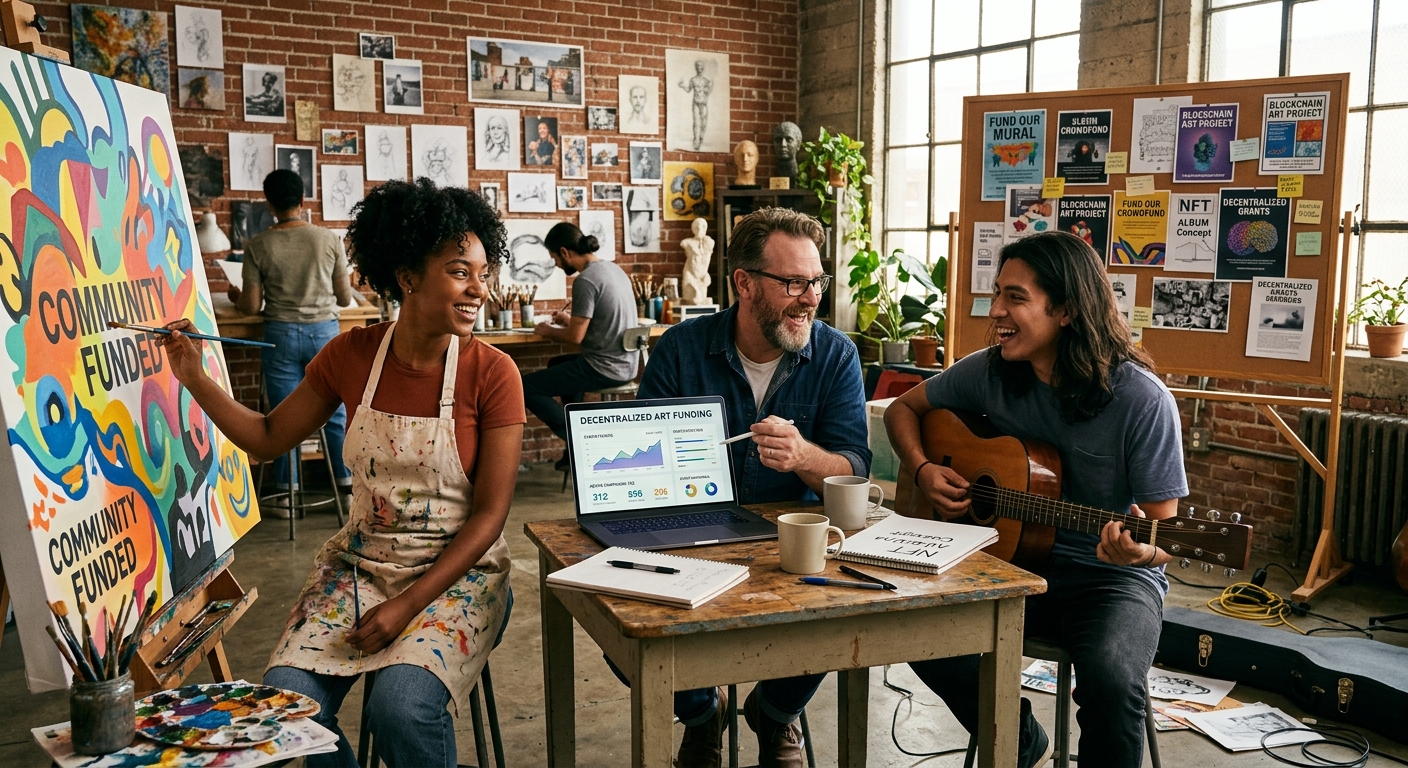
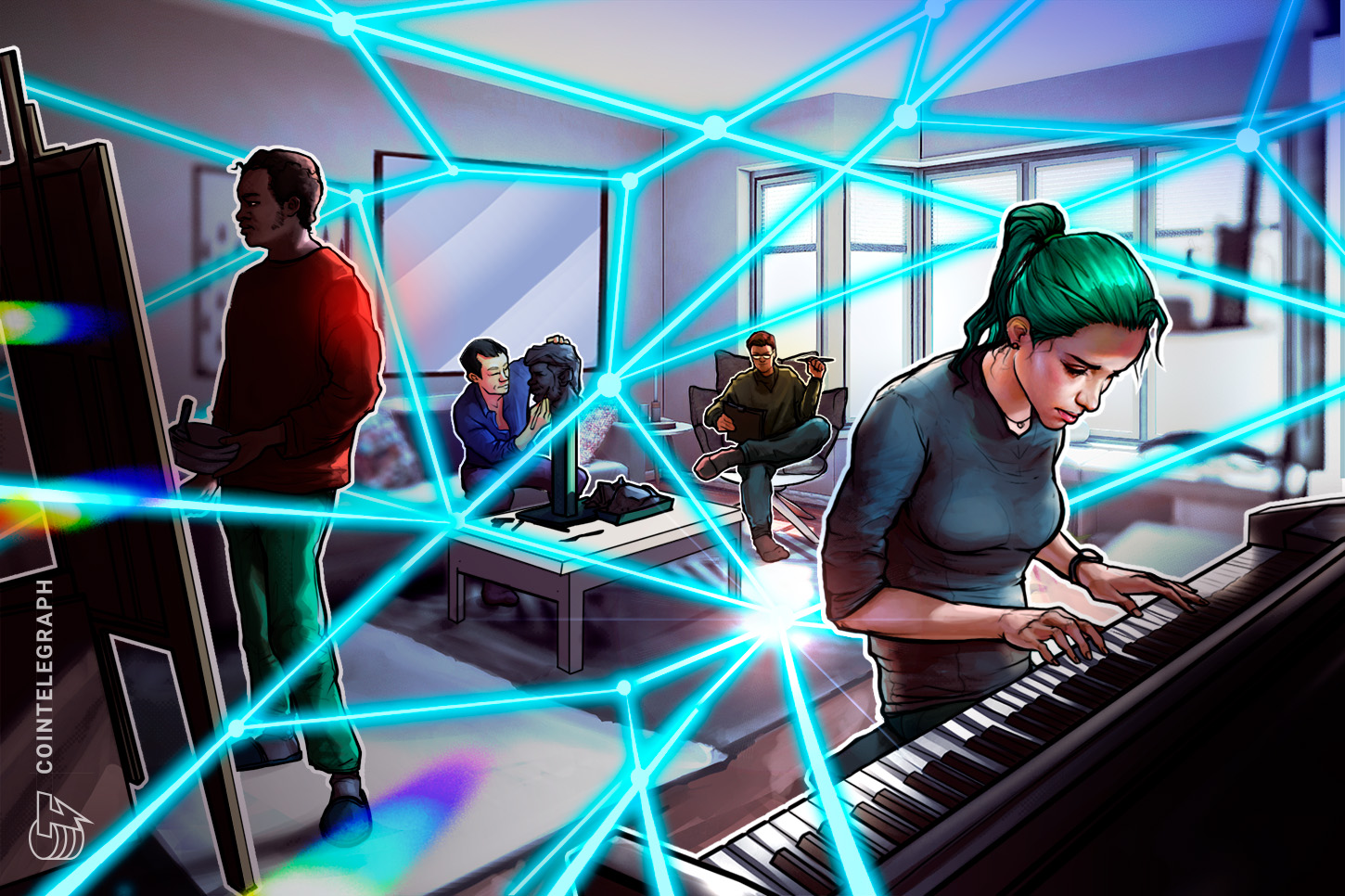
- Decentralized crowdfunding offers more direct financial support to artists during market downturns.
- The model eliminates middlemen, allowing creators to directly connect with collectors and retain visibility.
- This innovative approach may redefine how artistic communities support one another beyond speculative hype.
Decentralized Crowdfunding: A Game Changer for Artists
In the realm of art and creation, traditional crowdfunding has often been heralded as a crucial lifeline for emerging talents. However, for artists in the non-fungible token (NFT) space, the centralized crowdfunding models often fall short in providing the necessary support and transparency. High fees, inconsistent visibility, and an overemphasis on momentum make these platforms ill-equipped to nurture creativity, particularly during economic downturns when liquidity diminishes and artists struggle more than ever to stay afloat.
The rise of decentralized crowdfunding offers a transformative solution, providing a pathway for direct and transparent capital flow from collectors who appreciate and value art. Recently, the initiatives led by collector Batsoupyum and curator Lanett Bennett Grant have illustrated the power of this model by committing to consistent purchases of emerging artists’ works. This approach emphasizes supporting artists directly, without the interference of traditional gatekeepers, allowing them to thrive when they need it the most.
The Impact of Market Conditions on Artists
The reality is clear: when NFT markets suffer—and they invariably do—the impact on artists is swift and severe. Many rely on primary sales to meet their basic needs and sustain their craft. During bear markets, creativity often takes a backseat as speculation wanes and attention shifts elsewhere, leaving artists in a precarious position. However, the burgeoning decentralized crowdfunding movement has shown how quickly the community can rally to offer support, as evidenced by contributions from notable figures like Punk6529 and Sam Spratt, further demonstrating the model’s resonance even in tough economic climates.
This swift mobilization highlights the strength of decentralized crowdfunding: it thrives on conviction rather than blind optimism. It inspires a sense of solidarity and purpose where art is treated with respect and whose practitioners are not merely seen through the lens of profit but through their contributions to culture and society. This model keeps the channels of support open, ensuring ongoing visibility for artists, even when traditional avenues may be closing.
A Sustainable Future through Community Support
Decentralized crowdfunding represents more than just an alternative funding mechanism; it encapsulates a shift in how artistic communities engage with one another. Unlike traditional patronage systems, this approach is networked, where each participant amplifies the efforts of the others. Artists are not relegated to the charity narrative; instead, they are recognized for the value they add to the cultural landscape. Collectors join in this mission, stabilizing markets rather than merely replacing them.
While decentralized crowdfunding won’t solve all of the challenges artists face, it does provide a critical lifeline during tough times. As the art community navigates through the next phase of the NFT revolution, the focus will inevitably shift from speculative hype to consistent, community-driven support. This transformation may provide the necessary foundation for artists, ensuring their continued presence and creativity regardless of external market conditions.
In summary, decentralized crowdfunding is carving out an essential role in supporting artists during economically challenging times. By enabling direct connections between creators and collectors, this model fosters an environment of transparency, trust, and community. What does this mean for the future of artistic endeavors? How can we further enhance community-driven support systems to ensure lasting sustainability for artists? Can decentralized models be adapted for other creative industries beyond NFTs?
The views, thoughts, and opinions expressed here are the author’s alone and do not necessarily reflect or represent the views and opinions of Cointelegraph.
Editorial content by Quinn Taylor
