






Highlights
- Logan Paul sets a record by selling a Pokémon card for nearly $16.5 million, making it the most expensive card ever sold.
- The sale has sparked controversy due to Paul’s past involvement in a Pokémon card fractionalization scheme and its subsequent fallout.
- The overall NFT market is struggling, with a significant decline in market cap despite Paul’s record-breaking sale of a physical collectible.
Record-Breaking Sale and Its Significance
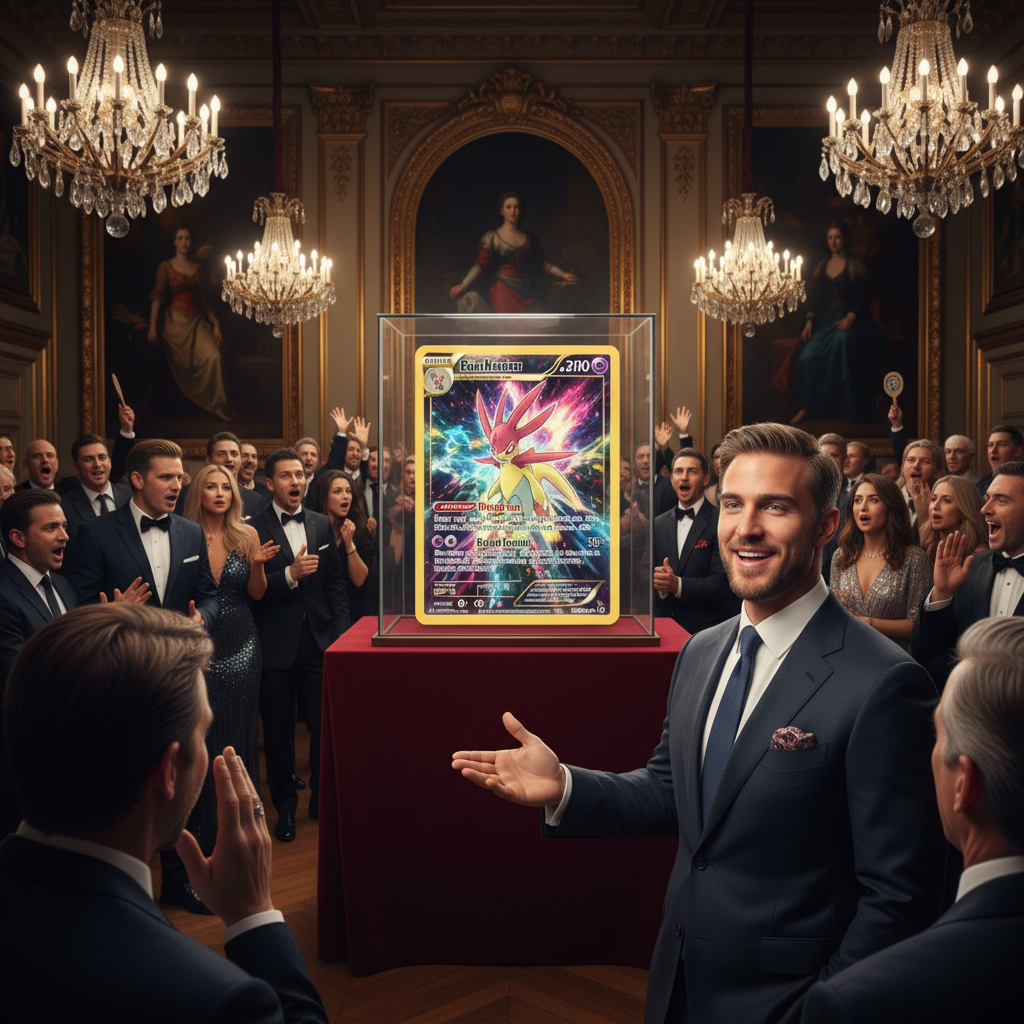
YouTube sensation Logan Paul has made headlines once again by selling a rare Pikachu Illustrator Pokémon card for a staggering $16.5 million, a figure that not only shatters previous records but also highlights the rising value of collectibles in today’s market. This particular card is one of just 39 in existence, originally created for a competition back in the 1990s. The auction concluded with AJ Scaramucci placing the winning bid, outmaneuvering several other bidders who had offered impressive sums in the millions.
The significance of this sale transcends its price tag, as it underscores a cultural shift towards valuing digital and physical collectibles as investment assets. Collectors and investors alike are increasingly drawn to items that hold nostalgic value, especially those associated with iconic franchises like Pokémon. Paul’s recent achievement may very well attract even more attention to card collecting as an investment avenue, prompting discussions on the long-term viability and market trends in this sector.
Exploring the Controversies
While the attention generated by Paul’s Pokémon card sale is undeniable, it also brings to light the controversies surrounding his previous ventures into fractional ownership and NFTs. In 2022, Paul attempted to fractionalize ownership of the same card through Liquid Marketplace, a move that ultimately led to problems when the platform ceased operations. Investors were left disillusioned, prompting legal action in Canada and raising questions about the ethical ramifications of such schemes.
Critics have been vocal about the risks involved in fractionalization, with legal experts warning that these types of investments might not provide genuine ownership rights. Gabriel Shapiro, general counsel at Delphi Labs, has characterized Paul’s effort as a “classic case of ‘slop tokenization,’” indicating that many investors may have unwittingly engaged in what he deems a questionable legal arrangement. Despite the backlash, Paul has defended his actions by arguing that he was not in control of the platform’s shutdown and expressed his commitment to returning investors’ funds.
Implications for the Future of Collectibles
The unfolding drama around Paul’s record sale and his previous NFT endeavors hints at broader implications for both the physical and digital collectibles markets. As the NFT market grapples with a significant decline in activity and market cap—plummeting from over $3 billion to approximately $1.55 billion—this juxtaposition raises questions about the sustainability of digital assets as viable investments. While physical collectibles like trading cards continue to experience a surge in perceived value, the parallel NFT space is struggling, leading to closures of prominent marketplaces.
Going forward, collectors may need to approach their investments with greater caution, especially in light of the increasing scrutiny and potential regulation surrounding cryptocurrency and NFT transactions. The path to reclaiming trust in the collectibles market may hinge on transparency and accountability from industry leaders and creators.
In conclusion, Logan Paul’s record-breaking sale of a Pokémon card not only signifies a milestone in collectibles but also serves as a reminder of the complexities and risks involved in both physical and digital asset investments. As the market continues to evolve, one must consider: What does this record sale mean for the future of card collecting? Can the NFT market recover from its current slump, or will it face further decline? How should investors navigate the fine line between passion and profit in collectibles?
Editorial content by Riley Parker
