







Highlights
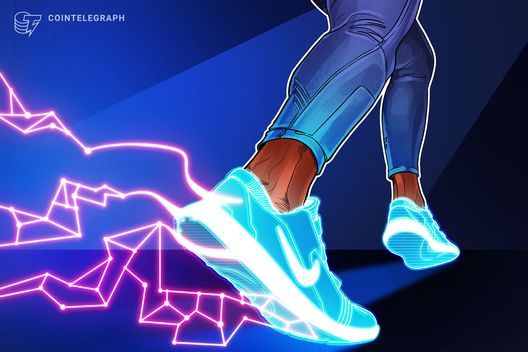
- Nike has reportedly sold RTFKT, the digital collectibles studio it acquired during the NFT boom.
- The sale marks a significant retreat from Nike’s ambitious Web3 strategy amid declining NFT market conditions.
- The exit has fueled controversy, with a class-action lawsuit from NFT holders alleging value loss from the company’s actions.
Introduction: The Beginning of a Digital Era
The world of digital assets, especially non-fungible tokens (NFTs), saw a meteoric rise during the pandemic, attracting massive investments from corporations seeking to capitalize on this burgeoning market. Among these was Nike, which acquired the digital collectibles studio RTFKT in December 2021, demonstrating its ambition to merge sports, gaming, and culture in the digital realm. This move was emblematic of a larger shift towards embracing Web3 technologies and innovation.
However, recent reports suggest that Nike has quietly offloaded RTFKT almost a year after it announced plans to shut down its operations, raising questions about the sustainability of NFT ventures and the future of digital collectibles in the context of corporate strategies.
The Collapse of an Ambitious Venture
At its height, RTFKT was hailed as an innovative player in the NFT space with its virtual sneakers and digital wearables, raking in substantial sums as investors clamored to own unique creations. Unfortunately, as market conditions shifted and economic realities set in, Nike’s announcement to cease RTFKT’s operations signaled a downturn. Following this, investors launched a class-action lawsuit, citing a “rug pull” due to the abrupt cessation of promised benefits tied to their NFTs, leading to allegations of significant financial losses for collectors.
The lawsuit intensified scrutiny on Nike’s strategic decisions while highlighting significant concerns among collectors who viewed the NFTs as investments. The claims suggested that the absence of support and utility led to a dramatic decline in value, contradicting the previously vibrant atmosphere that surrounded these digital assets.
Reflecting on the Future of Digital Collectibles
Nike’s reported exit from RTFKT reflects broader challenges within the NFT market, which has faced a substantial reduction in trading volumes. With the market contracting rapidly—diminishing from a peak of $17 billion to just $2.4 billion in capitalization—it’s clear that many brands and platforms are re-evaluating their NFT strategies. Prominent events, such as NFT Paris, have been canceled due to this market collapse, demonstrating the urgent need for a pivot toward more sustainable and utility-driven approaches.
As the landscape of digital assets evolves, the potential for NFTs may remain but in more practical forms that serve real-world applications. Companies like Nike may need to explore new avenues that meld creativity and tangible benefits, ensuring that future digital investments resonate with consumers’ evolving expectations.
In summary, Nike’s silence on the sale of RTFKT underscores an ongoing narrative of ambition and retreat in the NFT space. This shift poses vital questions: What lessons can we learn from Nike’s experience with RTFKT? How can companies adapt their strategies to ensure the success of digital assets? And, what does the future hold for NFTs in a marketplace increasingly focused on utility and real-world integration?
Editorial content by Finley Adams
