






Highlights:
– Texas judge supports Logan Paul’s bid to dismiss proposed class-action lawsuit over defunct NFT project CryptoZoo.
– Federal judge may drop the suit unless updated by the class group.
– Paul refunded CryptoZoo buyers as part of resolution efforts.
Logan Paul’s Legal Battle in the NFT World
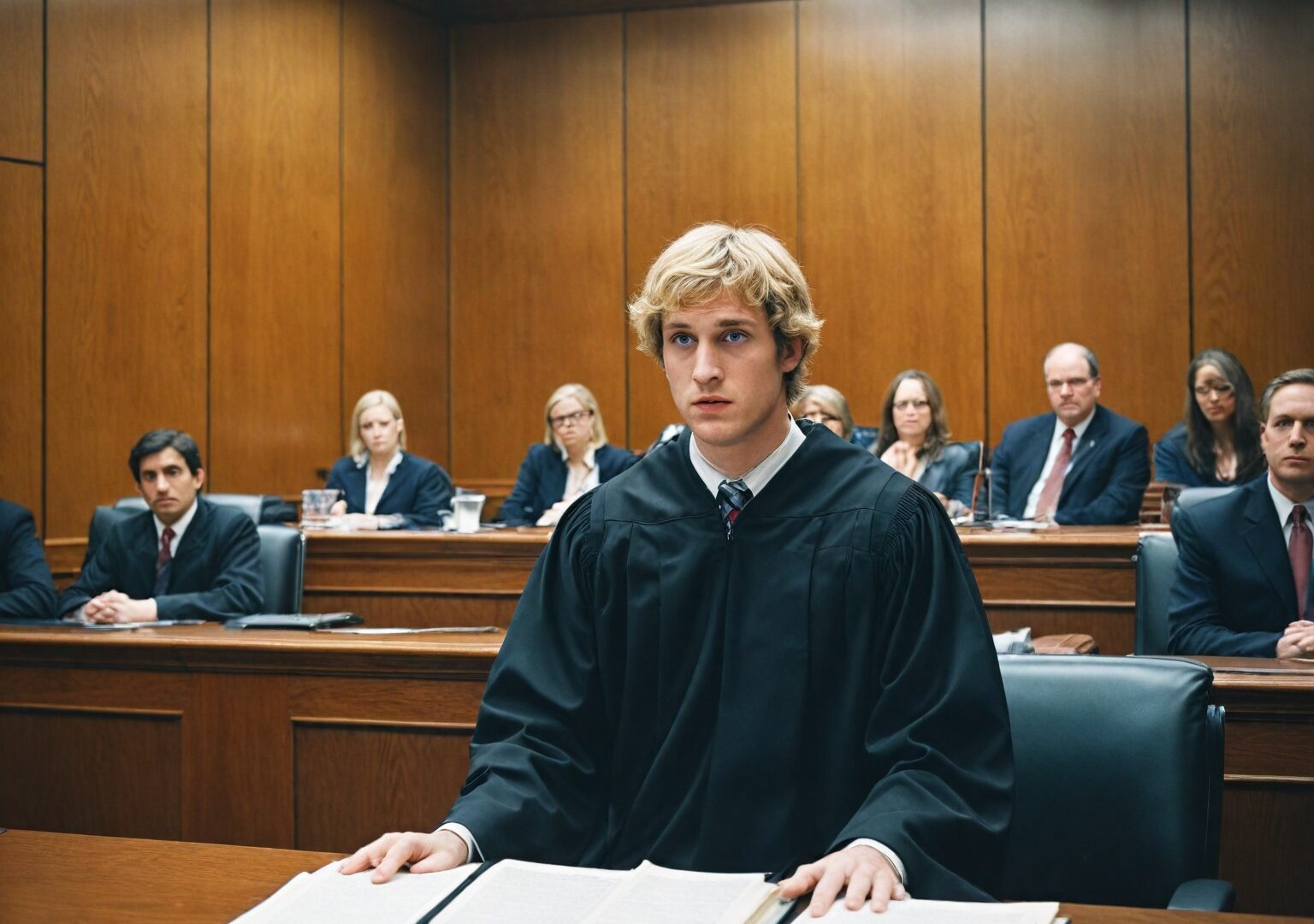
Logan Paul, the popular YouTuber, is facing a legal challenge over his involvement in the defunct non-fungible token (NFT) project CryptoZoo. A Texas judge has recommended dismissing the proposed class-action lawsuit against Paul, stating that the group of CryptoZoo buyers has not sufficiently linked him to their claims of financial loss resulting from the project. This development could potentially lead to the suit being dropped, unless the class group revises its claims. The lawsuit, filed by CryptoZoo buyers who alleged a “rug pull” scam by the project, accused Paul and others associated with CryptoZoo of failing to deliver promised perks.
Intricate Legal Arguments Surrounding the Case
The crux of the legal debate revolves around a claim of commodity pool fraud, which Judge Griffin recommended be permanently dismissed, citing the lack of clarity and logical reasoning from the plaintiffs. The court found the argument that purchasing CryptoZoo NFTs created option contracts due to the NFTs’ unique characteristics to be convoluted and unsubstantiated. Additionally, other claims made by the class group failed to convincingly establish Paul’s direct involvement in the alleged wrongdoings associated with CryptoZoo, including fraud, negligence, and breach of contract. The judge critiqued the fragmented nature of the complaints, emphasizing the need for stronger evidence linking Paul to the project’s collapse.
Resolving the Dispute and Reflecting on Paul’s Actions
Despite the legal complexities, Logan Paul took steps to address the situation by offering refunds to CryptoZoo buyers. In response to the lawsuit, Paul pledged to allocate $2.3 million for refunds to claimants, provided they refrained from further legal action against the project. Buyers were reimbursed with 0.1 Ether, the original sale price of the CryptoZoo NFTs. While Paul’s refund initiative aimed to mitigate the fallout from CryptoZoo’s demise, questions remain regarding his accountability and the broader implications for NFT projects involving influencers. As the legal saga unfolds, the outcome will likely shape the landscape of NFT ventures and influencer-backed initiatives in the future.
In conclusion, Logan Paul’s legal battle over the CryptoZoo NFT project underscores the complexities and challenges surrounding digital assets and celebrity-endorsed ventures. The evolving regulatory landscape and accountability in the NFT space raise important questions about investor protection and transparency. How can the NFT industry ensure accountability and prevent fraudulent schemes in influencer-led projects? What lessons can be learned from the CryptoZoo case for both content creators and investors entering the NFT market? As these issues unfold, a critical examination of legal and ethical responsibilities in the digital asset realm becomes increasingly pertinent.
Editorial content by Finley Adams
