






- Significant Volume: The 2026 FIFA World Cup generated a staggering $20 billion in blockchain-based prediction market activity.
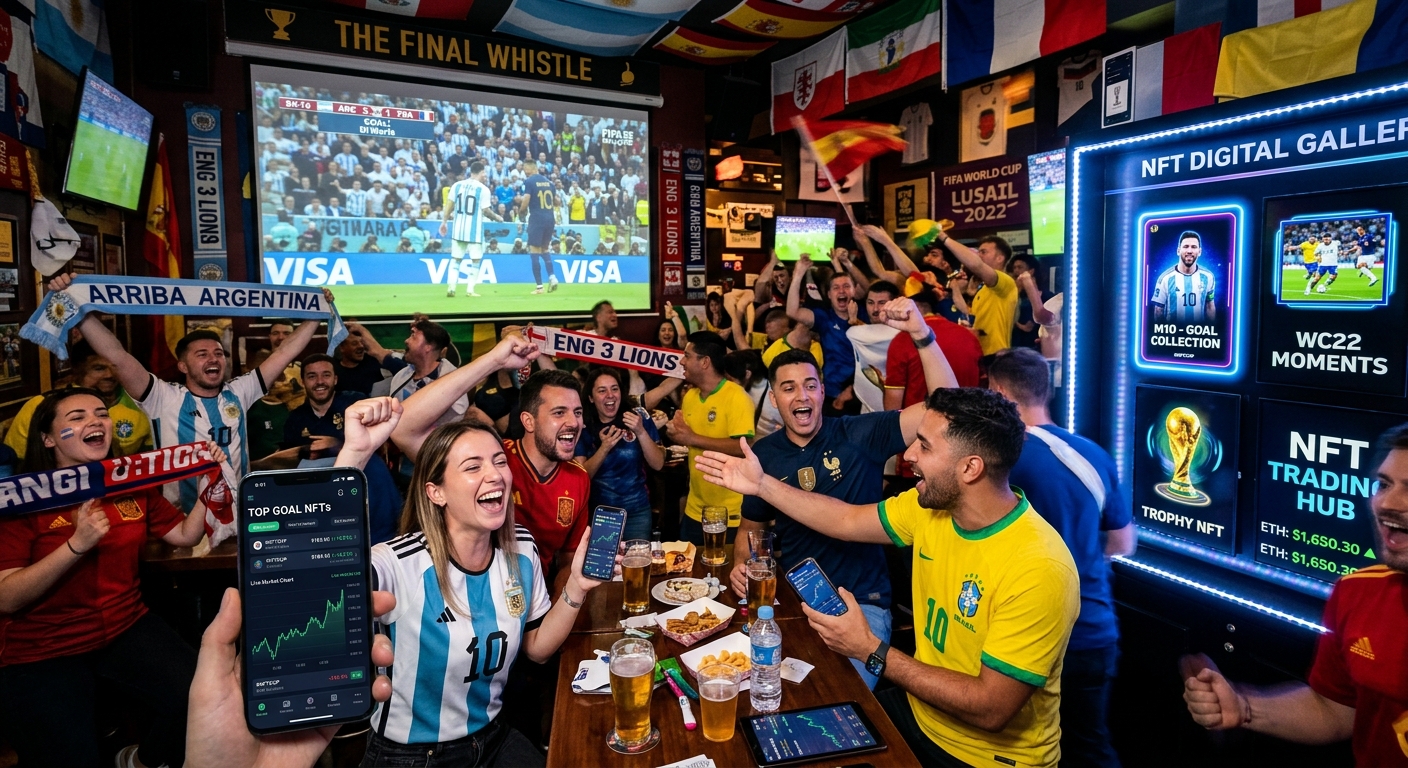
- Digital Collectibles Surge: There were over $24 million in trades related to FIFA Collect NFTs, with 100,000 match tickets distributed through the platform.
- Global Participation: More than 400,000 wallets engaged in prediction markets, with minimal illicit activity detected among participants.
Emergence of Blockchain in Major Events
The 2026 FIFA World Cup has marked a watershed moment in the integration of blockchain technology with global sporting events. Recent findings from a Chainalysis report highlight a remarkable $20 billion generated through blockchain-driven prediction markets, indicating a strong appetite for innovative betting mechanisms. As one of the largest sporting events worldwide, the World Cup provides a unique backdrop for the crossover of sports fandom and blockchain technology, showcasing its growing relevance and potential within mainstream entertainment.
The scale of engagement was unprecedented, with 400,000 crypto wallets reportedly involved in blockchain-based betting activities. The sheer volume of trade—roughly $5.7 billion during the tournament—emphasizes the significant role cryptocurrency is beginning to play in the sporting industry. Not only did these figures illustrate economic activity, but they also showcased the increased familiarity and acceptance of blockchain technologies among fans across the globe.
Key Insights and Market Dynamics
The report elaborated on the demographics of participation, noting that users from every continent joined in, although the highest trading volumes emanated from the United States and China. This trend points to a burgeoning global community that is becoming increasingly comfortable with blockchain-based transactions. Additionally, Chainalysis observed that World Cup markets accounted for approximately 63% of the total prediction market activities during this period, solidifying the event’s significance in the blockchain landscape.
While the fervor for betting was unmistakable, Chainalysis highlighted that less than 1% of the wallets involved in the prediction markets were linked to illicit activity. This statistic is encouraging, indicating that legitimate engagement outweighed illegal participation, despite some flows being traced back to sanctioned entities. This context is essential for understanding the integrity and compliance landscape as blockchain seeks to integrate more deeply into the sports betting domain.
Future Implications and Compliance Needs
The findings of the report have far-reaching implications for the future of blockchain technology in sports and entertainment. As the adoption of digital collectibles, such as FIFA Collect NFTs, continues to rise—reflected in the $24 million worth of trades and over 100,000 tickets distributed—there is a clear demand for innovative and secure platforms. Notably, the identity verification measures implemented by the FIFA Collect platform appear to have successfully mitigated illicit participation, as evidenced by the negligible fraction of users linked to sanctioned entities.
This suggests a promising direction for future sporting events, where blockchain technologies could enhance transparency and accountability. However, it also underscores the necessity for robust compliance measures as platforms evolve to accommodate an expanding user base. Striking the right balance between innovation and regulation will be crucial as the industry grows and matures.
Conclusion: The integration of blockchain technology into the 2026 FIFA World Cup exemplifies not only its rapid adoption in mainstream arenas but also the significant implications for the future of betting and digital collectibles in sports. As the landscape continues to evolve, one must consider: How will blockchain technologies further influence sports events in the future? What regulatory measures need to be in place to ensure a safe environment for digital interactions? Are digital collectibles destined to become a staple in fan engagement going forward?
Editorial content by Charlie Davis
