






Brazil’s B3 stock exchange recently captured the public’s attention when a farmer managed to tokenize his cows. Using ten cows as collateral, he secured a loan of 100,000 Brazilian reals (approximately $19,600) by virtually herding them into a blockchain-based holding pen. This innovative move not only showcased the potential for farmers to leverage their assets for credit but also sparked a curious inquiry: If cows can be tokenized, what else is possible?
The phenomenon of tokenization is pushing the boundaries of asset representation, leading to unconventional and surprising innovations. From livestock to less typical assets, the idea of tokenizing real-world items is creating new opportunities across various sectors. Understanding the implications of this trend is crucial as it could potentially reshape markets and industries.
The Expansion of Tokenization
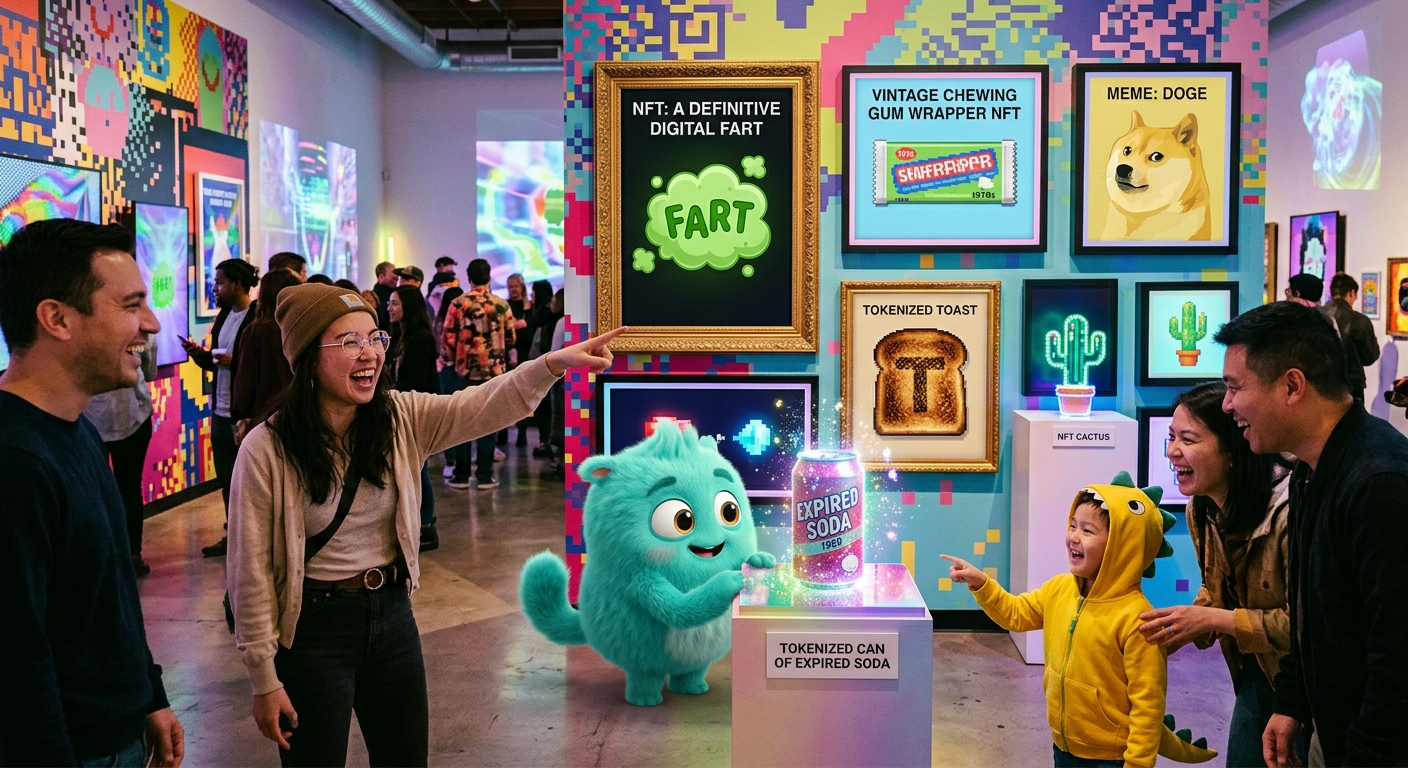
The ongoing trend of tokenization is exemplified by the wide array of unusual assets that have made their way onto the blockchain. For instance, during the pandemic, filmmaker Alex Ramírez-Mallis minted individual nonfungible tokens (NFTs) from recordings of his own flatulence, demonstrating the eccentric lengths to which this practice can stretch. Even the mundane can find its value in the right marketplace—in Ramírez-Mallis’s case, his “asset” reportedly fetched $85 per token.
Tokenization has since taken a more serious turn in sectors like agriculture. The Brazilian investment fund Target FIDC implemented a structure where each of the tokenized cows received a unique digital identity linked to its physical counterpart. Although the initial loan of $19,600 may seem modest, it serves as a proof of concept, suggesting that livestock-backed financing could escalate to billions. With agriculture generating about $4 trillion globally, the potential for tokenizing other farm animals is increasingly likely.
Implications and Future Considerations
The implications of tokenizing real-world assets are profound. As barriers to ownership are lowered through fractionalization, a wider array of investors can participate in previously exclusive markets, such as racehorse ownership or fine whiskey investments. However, industry experts urge caution; simply tokenizing an asset doesn’t guarantee its liquidity or worth. Factors such as legal rights, the transfer process, and market dynamics remain crucial in determining the overall viability of these investments.
Moreover, the infrastructure to support these tokenized assets must be equally robust. As illustrated by a unique but ultimately unsuccessful proposal to tokenize fish sales, real-world practicalities can pose significant hurdles. Issues with contracting, auditing, and compliance can still limit the effectiveness of on-chain financial instruments. This indicates that while blockchain holds great promise, substantial groundwork must be done to bridge the existing gaps.
In summary, the trend of tokenization is opening doors to a range of unconventional asset classes, from tokenized farts to digital cows. The flexibility of this concept has the potential to revolutionize finance, but it also emphasizes the need for careful consideration regarding implementation and market structures. What kinds of unconventional assets might we see tokenized next? How can businesses prepare for the integration of blockchain technology into their operations? As interest in tokenization grows, these questions will become increasingly pertinent.
Editorial content by Harper Smith
