






Highlights
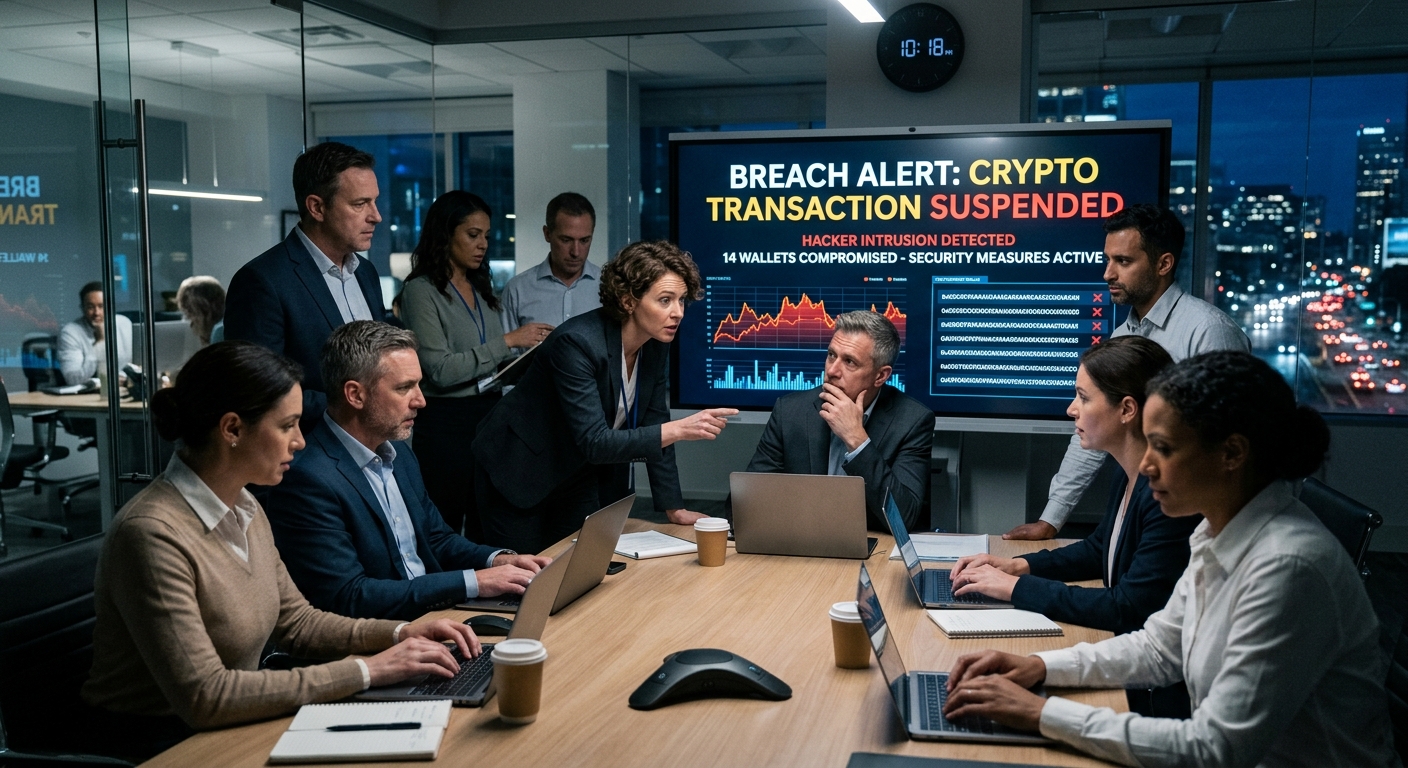
- Bankr, an AI-powered crypto trading assistant, temporarily disabled transactions after discovering that an attacker compromised at least 14 wallets, leading to a potential loss of $150,000 in cryptocurrency.
- The exploit appears to be a social engineering scheme that manipulated interactions with Bankr’s AI bot, prompting the company to advise users against signing any transactions for now.
- Users are urged to create new wallets and secure their private keys, as recovering funds from compromised accounts may be difficult without prompt action.
Unveiling the Attack on Bankr’s Wallets
In a concerning turn of events for cryptocurrency traders, Bankr, an AI-driven crypto trading assistant, has reported a significant security breach affecting its users. Following an internal investigation, it was revealed that an attacker had gained unauthorized access to at least 14 wallets, draining an estimated $150,000 in cryptocurrencies. This incident highlights the ever-present risks associated with digital finance and the vulnerabilities of automated trading systems amidst a backdrop of rising crypto thefts.
Bankr has taken immediate action by suspending transaction activities—including swaps and transfers—out of an abundance of caution. The company has vowed to compensate affected users for their losses while continuing its investigation into the matter. As the security landscape for digital currencies becomes increasingly precarious, the incident serves as a stark reminder of the need for robust security measures and ongoing vigilance in the crypto space.
Exploring the Nature of the Breach
The breach is suspected to have originated from a sophisticated social engineering attack that exploited the trust framework between Bankr and its AI agents. Yu Xian, founder of SlowMist, emphasized that this attack likely involved unauthorized transaction signing, further complicating the security challenges faced by automated trading platforms. The attackers, identified with three addresses holding a combined total of $440,000 in stolen assets, allegedly acted through combined tactics that have previously resulted in thefts from crypto wallets.
In light of this breach, Bankr has taken a proactive approach by recommending that all users refrain from signing transactions until further notice. Additionally, they have warned potential victims that their seed phrases might be compromised, prompting users to create new, secure wallets and transfer any remaining assets to protect themselves from further losses. By elevating security awareness and encouraging best practices, Bankr aims to mitigate damage while recovering from this alarming incident.
Addressing Future Risks and Implications
The implications of this attack extend beyond just Bankr users; they underscore the vulnerabilities in the rapidly evolving world of decentralized finance (DeFi). With the theft of over $168.6 million in crypto reported in just the first quarter of this year, including some of the largest exploits in April, the frequency and scale of such attacks are becoming increasingly alarming.
In response to the rising threat of cryptocurrency hacking, Bankr’s actions have highlighted the critical importance of user education regarding security practices. Users are encouraged to be vigilant, regularly check their devices for malware, and be cautious of phishing attempts that could lead to unauthorized access to their digital assets. Ultimately, the incident poses essential questions about the adequacy of current security measures in the crypto trading space and the collective responsibility of platforms and users to protect their financial interests.
Conclusion: As the cryptocurrency landscape continues to evolve, incidents like the Bankr hack serve as crucial learning experiences for both users and platforms alike. How can the crypto community bolster its security infrastructure to guard against future attacks? What strategies can users adopt to ensure the safety of their digital assets? These questions remain central in discussions about the future of cryptocurrency security.
Editorial content by Finley Adams
