






Highlights
- US House Ways and Means Committee introduces seven drafts aimed at simplifying digital asset taxation.
- Advocates push for reduced tax burdens on crypto transactions, mining, and staking, including a proposed “de minimis” exception.
- Illinois moves towards a 0.2% tax on crypto transactions as part of its latest state budget.
Introduction: Navigating the Complexities of Digital Asset Taxation
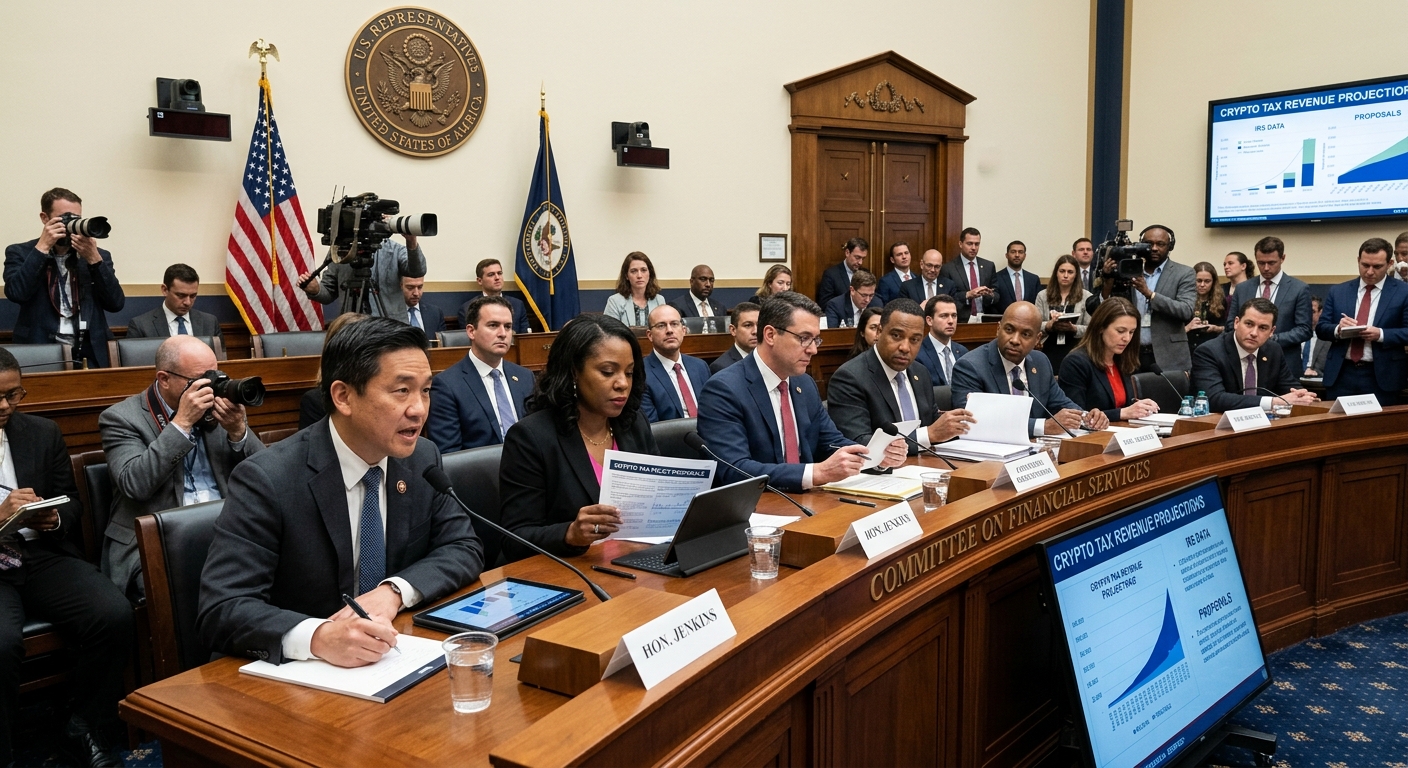
As cryptocurrencies gain traction in mainstream finance, the regulatory environment surrounding them remains fragmented and complex. Recently, the US House Ways and Means Committee has circulated seven discussion drafts to address the pressing issue of digital asset taxation. These drafts come in anticipation of a hearing that seeks to clarify legislation concerning stablecoins, mining, staking, and transaction reporting. As the crypto industry continues to evolve, establishing clear tax guidelines is becoming increasingly crucial for stakeholders, including investors, businesses, and regulators.
With calls for clarity from industry advocates emphasizing the need to reduce the compliance burden on both individual and institutional crypto holders, the timing of these proposed discussions could signal a turning point in how digital assets are treated under US tax law. The outcome could enhance the US’s competitive stance in the burgeoning global digital asset economy, addressing concerns that the current regulatory framework is hindering innovation and investment.
Exploring Draft Bills: Key Proposals and Industry Reactions
The seven draft bills introduced by the Ways and Means Committee propose notable changes aimed at alleviating the confusion many crypto holders face when navigating their tax obligations. Key proposals include simplifying tax paperwork for crypto holders, outlining clearer regulations for staking and mining tokens, and introducing a “de minimis” reporting exception for certain transactions. This would mean smaller transactions, which often don’t warrant the administrative hassle, could be exempt from taxation, thereby encouraging broader participation in the crypto space.
In a related development, the Digital Asset PARITY Act proposed a $200 reporting threshold specifically for transactions involving stablecoins, although it distinctively left out cryptocurrencies like Bitcoin. This has sparked discussions around the need for comprehensive clarity so that further crypto activity can onshore in the US, asserting that without clear guidelines, many crypto holders may seek more favorable tax environments abroad.
Implications for the Future of Crypto Legislation
The bipartisan nature of the necessary political support will significantly impact how effective and quick these legislative changes will be. As stakeholders await the House hearing, it’s important to note that US lawmakers in the Senate seem to be prioritizing other legislative measures, including a budget reconciliation bill, which may delay discussions specific to digital asset taxation. Wyoming Senator Cynthia Lummis has also indicated that additional legislation is being considered to introduce a $300 “de minimis” exemption for Bitcoin transactions, signaling that legislators are seriously contemplating tax reforms that could encourage the growth of the digital economy.
Additionally, Illinois is making strides towards formalizing a crypto tax within its state budget, which proposes a 0.2% tax on crypto transactions incurred through state-registered brokers. If enacted, this law will illustrate how states are moving independently to regulate and tax digital asset transactions while federal policy is still developing.
In conclusion, as the digital asset landscape continues to develop, the potential reforms being considered at both federal and state levels hold significant implications for the future of cryptocurrency in the US. Will clearer regulations cultivate a more robust crypto market, or do they risk stifling innovation with overly burdensome requirements? How will stakeholders navigate these changing tax landscapes, and what role will public opinion play in shaping future policies?
Editorial content by Quinn Taylor
