






Highlights
- Binance CEO Richard Teng refutes claims from a Wall Street Journal report linking the exchange to $850 million in transactions associated with an Iranian financier.
- The Journal asserts that Binance’s internal compliance flagged suspicious accounts but allowed continued transactions, raising concerns about regulatory adherence.
- In response to the ongoing allegations, Binance has launched a defamation lawsuit against the Journal while continuing to assert their commitment to combat illicit activity.
Setting the Stage: Binance Under Scrutiny
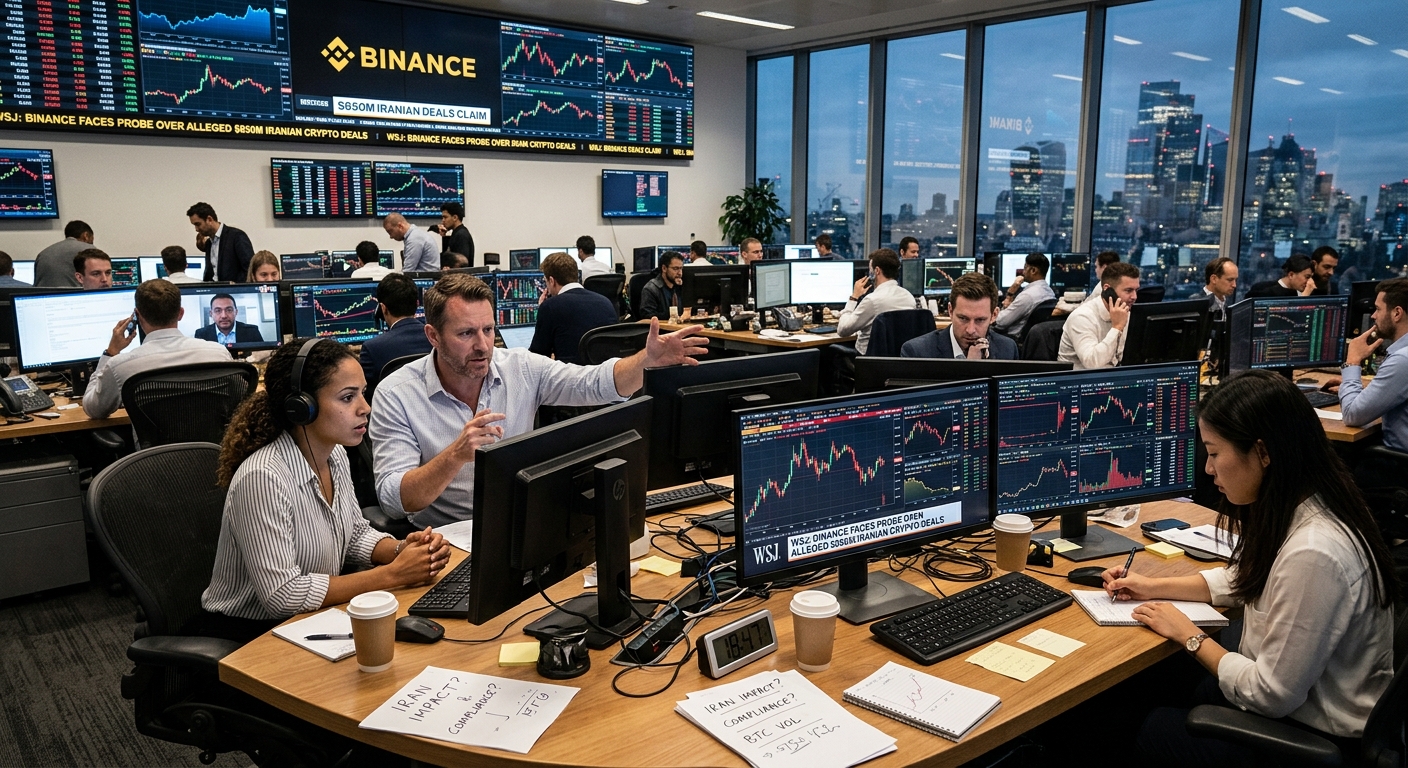
In recent news, Binance, one of the world’s largest cryptocurrency exchanges, is facing significant scrutiny after a report by the Wall Street Journal (WSJ) alleged that the platform processed transactions amounting to $850 million linked to a sanctioned Iranian financier. This situation unfolds against a backdrop of ongoing global concerns regarding financial systems’ roles in facilitating illicit activities, especially in contexts involving sanctioned entities. The implications are profound, touching on the integrity of cryptocurrency exchanges and their ability to operate within regulated frameworks.
The controversy has drawn attention to the technology and compliance policies that underpin these exchanges, particularly as regulators worldwide are ramping up efforts to maintain financial security and transparency. The ability—or inability—of platforms like Binance to effectively manage and monitor transactions poses critical questions not only for the exchange itself but also for the broader cryptocurrency ecosystem. Navigating these waters could spell the difference between continued success and significant legal repercussions for Binance.
Diving Deeper: The Allegations Uncovered
The WSJ report indicates that Babak Zanjani, a re-sanctioned financier, was central to a clandestine crypto payment network involving Binance, with significant financial paths flowing towards Iran’s Islamic Revolutionary Guard Corps. Contained within the report was evidence suggesting that Binance’s internal compliance mechanisms flagged Zanjani’s accounts as suspicious but allowed activity to persist over an extended period, even after multiple alerts were triggered. This has raised alarms about the effectiveness of Binance’s compliance efforts, which have previously been under a microscope following their guilty plea in 2023 regarding anti-money laundering violations.
Following these allegations, Binance’s CEO Richard Teng vehemently denied the claims posted by the WSJ, asserting that the exchange has a strict policy against transactions with sanctioned individuals. He stated that any noted activity occurred prior to sanctions being placed and emphasized that Binance took the initiative to investigate these matters before the Journal’s inquiry. Teng’s statements underscore a broader defensive strategy for the company, aiming to reassure both regulators and users of their commitment to compliance and integrity.
Implications and Potential Outcomes
The ramifications of these allegations are substantial. Binance’s legal response, which includes filing a defamation lawsuit against the Wall Street Journal, highlights the exchange’s desire to maintain its reputation, particularly as regulatory bodies maintain heightened scrutiny on the cryptocurrency sector. If the allegations are substantiated, Binance could face severe penalties, including substantial fines or restrictions on operations that would affect its global standing in the cryptocurrency market.
Conversely, should Binance succeed in disproving these claims and effectively demonstrate the robustness of their compliance mechanisms, it may bolster their image as a trusted exchange and reinforce user confidence. As the cryptocurrency space continues to evolve rapidly, exchanges face ongoing challenges in navigating regulatory landscapes while also innovating their systems to ensure compliance. The outcomes of this situation could play a pivotal role in shaping the future operational protocols within the industry as a whole.
In conclusion, the ongoing scrutiny surrounding Binance presents a critical case study in the intersection of technology, finance, and regulation within the cryptocurrency domain. How will Binance navigate this tumultuous landscape? What steps will be taken by regulators to ensure compliance? And perhaps most importantly, how will users respond to the evolving trust dynamics in the cryptocurrency market? These questions remain at the forefront of this unfolding narrative.
Editorial content by Charlie Davis
