






Highlights
- A Brazilian orchestral project seeks to transform Bitcoin price data into live music.
- The initiative has secured funding approval under Brazil’s Rouanet Law, allowing tax deductions for sponsors.
- This innovative approach aims to sonify Bitcoin’s financial fluctuations through a real-time orchestral performance.
Transforming Data into Sound: A Unique Initiative
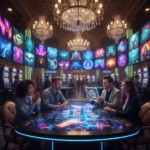
An innovative orchestral project is currently taking shape in Brazil, where Bitcoin price data will be transformed into live music. The endeavor has gained momentum with formal authorization to raise funds through Brazil’s tax incentives aimed at cultural initiatives. The project’s approval presents a unique intersection of finance and art, showcasing how contemporary cultural expressions can emerge from cutting-edge technology.
The Mechanics of Musical Data Interpretation
With the orchestral performance set to take place in Brasília, the project’s design involves constructing musical notation from real-time data on Bitcoin (BTC) price movements. An algorithm will monitor and convert these fluctuations into musical expressions, generating soundscapes that reflect the cryptocurrency’s volatility. This method allows the orchestra to play a live interpretation of financial data, providing audiences with an auditory representation of market behaviors.
The approach is not entirely unprecedented. It builds on a growing body of work in the realm of data-driven art where artists translate varying data streams into creative formats. Previous projects, such as Matt Kane’s “Right Place & Right Time,” have similarly used Bitcoin price movements to inform visual art. This orchestral project represents the next step in a broader trend where technology and creativity intersect, making art that reacts to economic phenomena accessible to all.
Broader Implications and Future Considerations
The approval for this orchestral project not only allows for the creative use of financial data but also symbolizes a broader acceptance of crypto culture within established artistic frameworks. The integration of technology and performance art indicates a shift in how we perceive financial data, potentially fostering greater interest in cryptocurrencies among the general public as they experience music born from the data’s movement.
Moreover, as fundraising efforts must conclude by the end of the year, sponsors will enjoy tax benefits while supporting a groundbreaking artistic initiative. Should this project find success, it may pave the way for similar artistic endeavors that fuse technology, data, and live performances, inviting further exploration into how financial phenomena can inspire new art forms.
Conclusion
This unique orchestral project in Brazil exemplifies the fascinating convergence of art and finance, where Bitcoin market fluctuations will transform into a symphony of sounds. As the fundraising deadline looms, the success of this initiative could inspire a wave of innovative projects across the globe. What other financial data could unleash creative potentials in art? How might audience perceptions of cryptocurrency shift through experiential art? What role do you think technology will play in the future of artistic expression?
Editorial content by Harper Smith
