






Highlights
- AI agents may lead to broader blockchain adoption through the need for identity verification and reputational systems.
- VeChain’s CEO envisions a blockchain-based “decentralized credibility system” for autonomous AI agents.
- AI agents could democratize software development, allowing people from various fields to monetize their expertise.
Revolutionizing Trust with AI and Blockchain
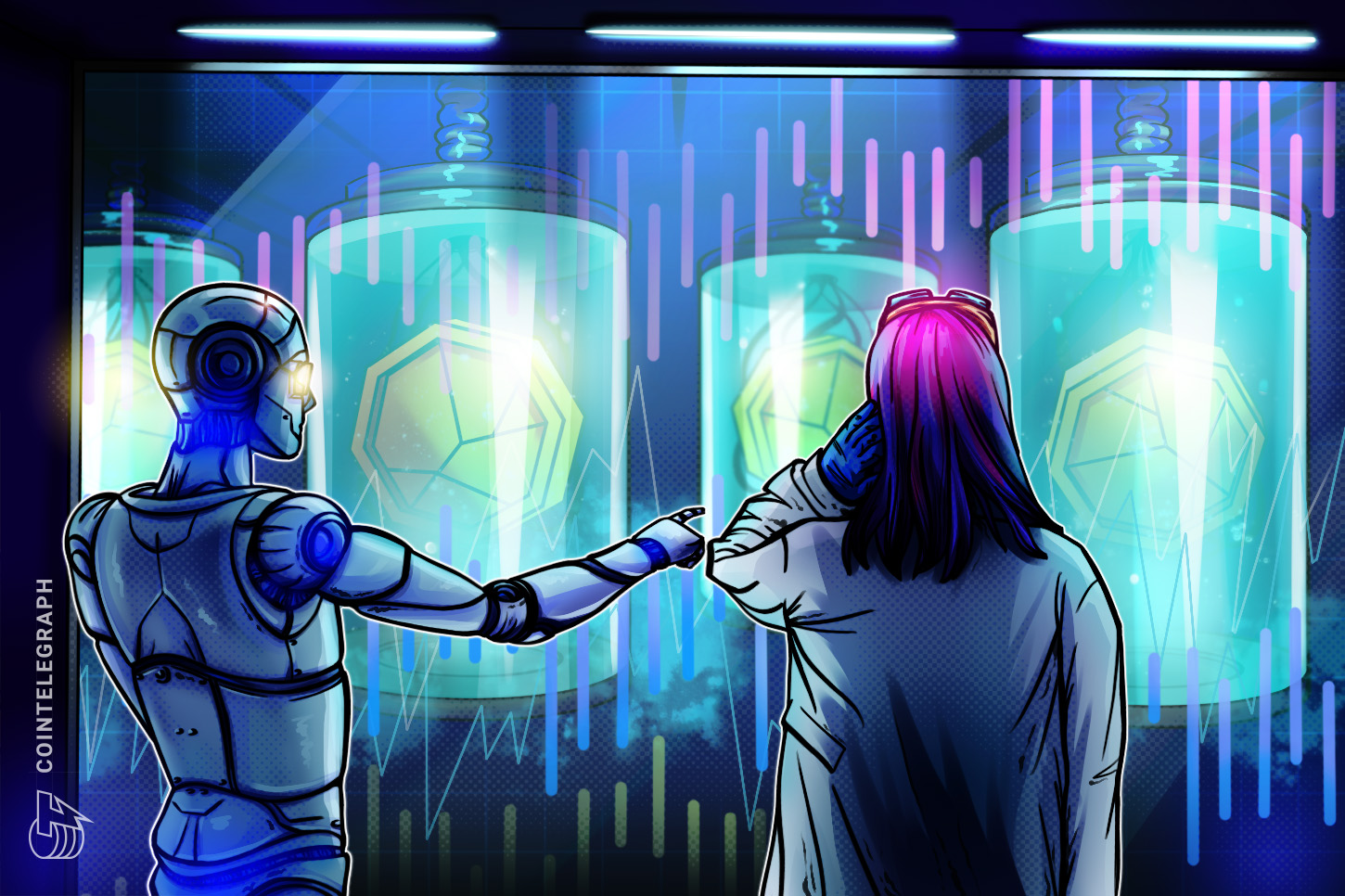
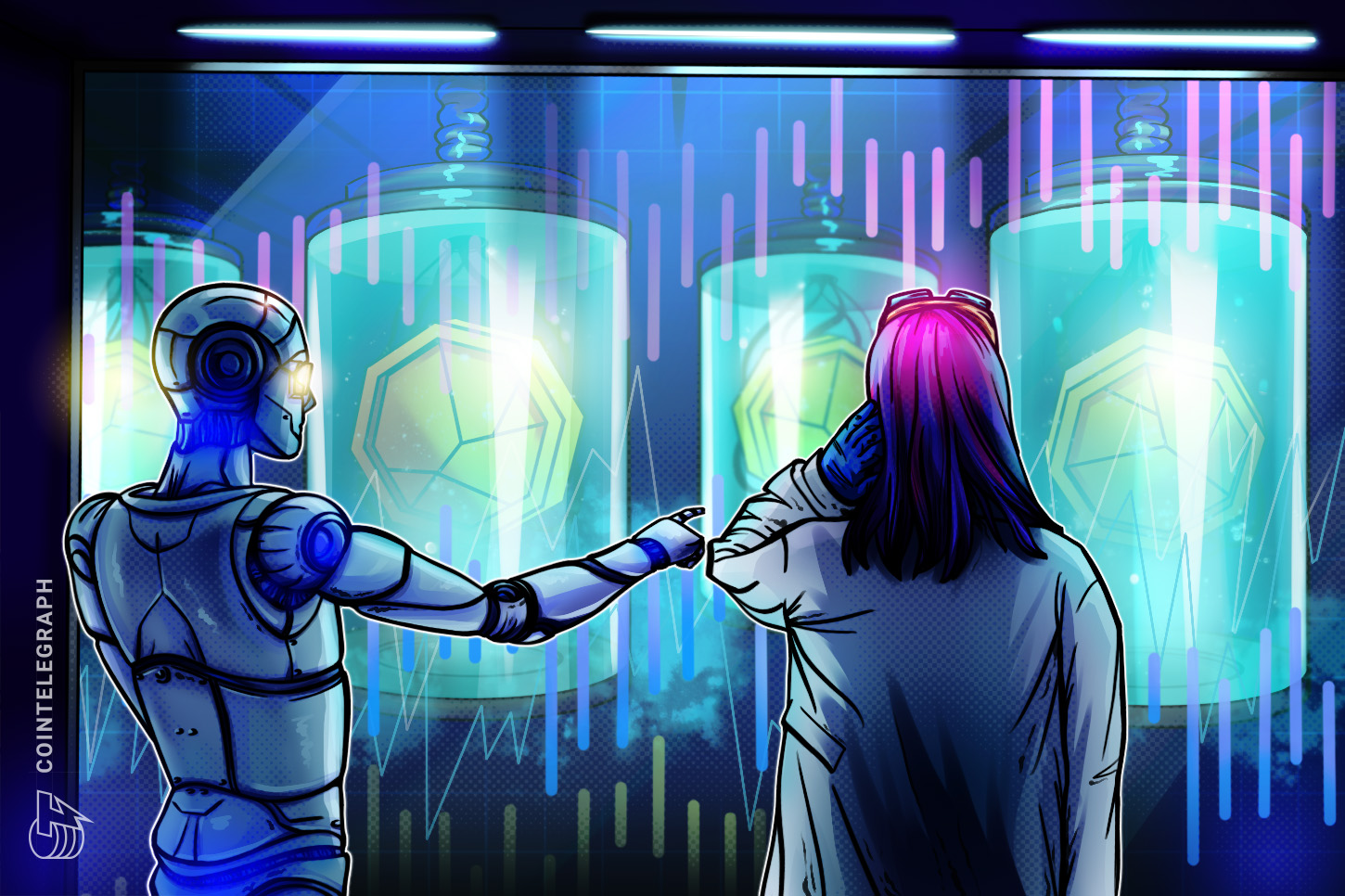
As the digital landscape continually evolves, the intersection of artificial intelligence and blockchain technology is sparking significant interest. According to Sunny Lu, the co-founder and CEO of VeChain, AI agents could be pivotal in initiating the next wave of blockchain adoption. These autonomous entities require a credible framework to establish trust, thereby paving the way for extensive public acceptance of blockchain systems. This notion was brought to light during Lu’s recent participation in Cointelegraph’s Chain Reaction show, where he articulated the necessity of a robust accountability system tailored for AI.
The conversation centered on VeWorld.ai, a unique platform designed for constructing AI agents using VeChain’s blockchain. Lu posits that each AI agent could possess a digital “passport” within a “decentralized credibility system,” effectively tracking both their reputations and those of their creators. Smart contracts are envisioned as the backbone for facilitating seamless transactions between AI agents as well as between agents and human users. This proposition underscores the crucial role of blockchain in fostering trust and reliability in an AI-dominated future.
Unlocking New Opportunities for Non-Developers
Beyond trust-building, Lu highlights the potential of AI agents to empower individuals by transforming their expertise into marketable businesses or services. This innovative concept mirrors the advent of mobile app stores, which previously revolutionized software distribution by allowing individual developers to showcase and monetize their creations. AI agent-building tools could similarly open new doors for non-developers, enabling individuals with specialized knowledge or skills—regardless of their technical abilities—to enter the digital marketplace.
Lu’s own endeavors in this space illustrate the versatility of AI agents. He has developed educational tools for his daughter, an assistant for his mother’s daily needs, and even a virtual employee for managing a friend’s retail operations in Milan. These examples reflect the broad applicability of AI in personal and professional settings, though they also raise important discussions about user reliance on service providers in a largely unregulated sphere.
Navigating Risks and Future Implications
Despite the promising developments surrounding AI agents, experts caution against certain risks that accompany their usage. Yat Siu, chairman of Animoca Brands, warns that crypto traders who employ AI agents to operate continuously may inadvertently tie their strategies to systems beyond their control. This concern highlights the importance of understanding the underlying technology and potential pitfalls associated with relying on AI in trading or business operations.
The future implications of integrating AI and blockchain extend far beyond mere convenience; they touch upon nuanced discussions around privacy, security, and ethical considerations. As the landscape matures, solutions may emerge to mitigate risks while harnessing the benefits of these technologies. Creating regulatory frameworks, enhancing user education, and developing accountable AI models could represent steps toward a more secure and equitable digital future.
In conclusion, the fusion of AI and blockchain technologies illustrates a dynamic shift in how we anticipate conducting business and managing trust in digital interactions. As we explore the potential of AI agents, we must consider the balance between innovation and accountability. What safeguards might we need to ensure responsible AI use? How can we guarantee that all users, regardless of their technical background, are protected in an increasingly automated landscape? These questions will shape the dialogue as we move forward in this exciting era of technology.
Editorial content by Riley Parker
