







Highlights
- Greece marks its entry into the EU’s crypto regulatory framework with four providers now listed.
- The division of oversight responsibilities between Greece’s financial authorities reflects the complexity of MiCA regulations.
- Binance’s withdrawal from the Greek market raises questions about international crypto regulation dynamics.
Introduction to Greece’s MiCA Involvement
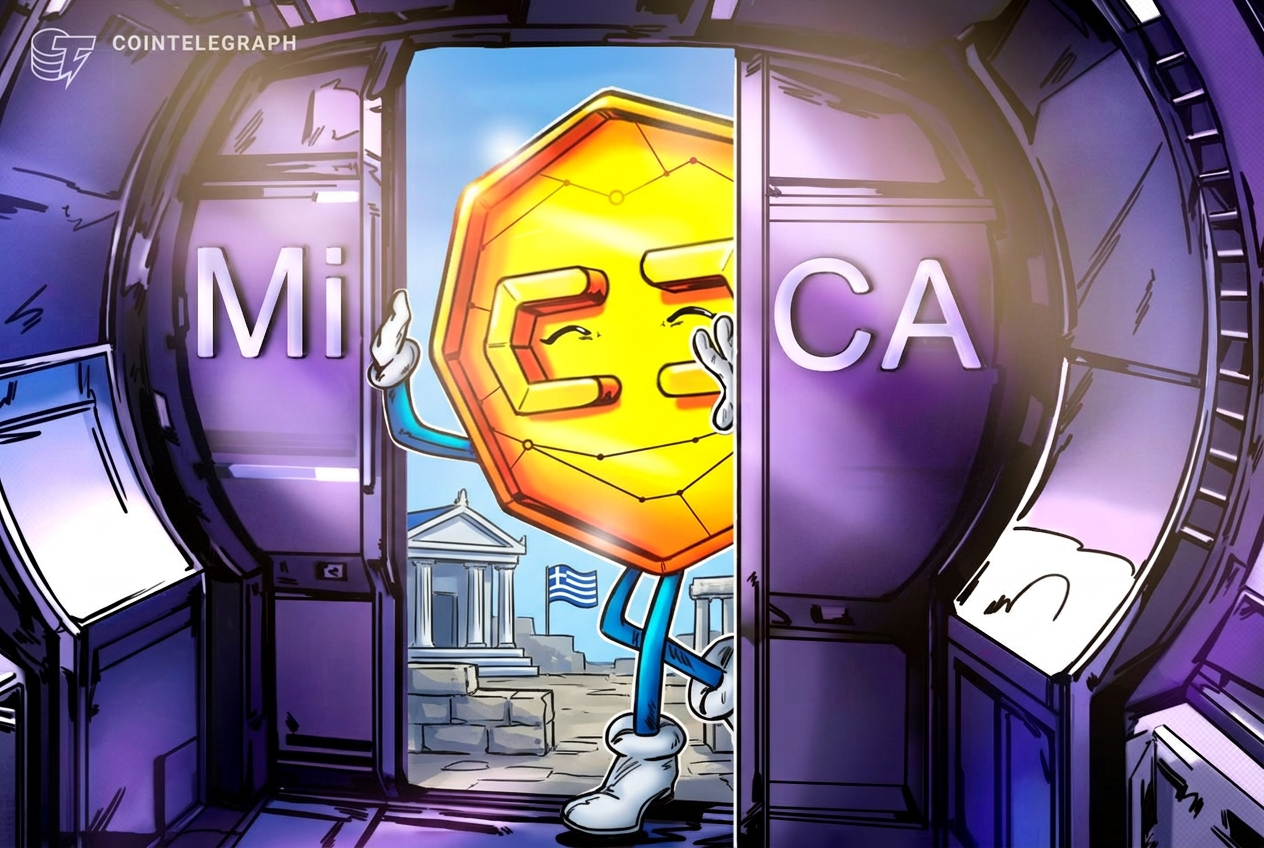
Greece has made a significant leap in the realm of cryptocurrency by entering the European Union’s Markets in Crypto-Assets (MiCA) regulatory space for the first time. This move involves a formal acknowledgment of four local crypto-asset service providers—BCash, Xenios Blockchain Group, Capital Wallet Greece, and Piraeus Bank. Their inclusion in the European Securities and Markets Authority (ESMA) register represents a milestone not just for Greece but also highlights the broader trend of legislative engagement with the evolving digital finance sector across Europe.
The significance of this development cannot be overstated as it showcases Greece’s commitment to establishing a regulated framework for cryptocurrency, thus potentially bolstering investor confidence and fostering innovation. As Europe increasingly looks to standardize its regulatory landscape for digital assets, Greece’s actions may serve as an example for other member states exploring similar initiatives.
Core Elements of MiCA Implementation in Greece
The recent additions to the MiCA regulatory register illustrate the distinct allocation of responsibilities between Greece’s financial authorities—the Hellenic Capital Market Commission (HCMC) and the Bank of Greece. The HCMC oversees three of the authorized service providers, while Piraeus Bank, a prominent financial institution, falls under the purview of the central bank. This division exemplifies how different sectors of governance can collaborate to regulate a complex and multifaceted industry like cryptocurrency.
Compounding this development is the backdrop of Binance, the world’s leading crypto exchange. Binance’s application for Greek MiCA authorization has sparked substantial debate. Initially positioned to secure its foothold in Greece and expand offerings throughout the EU, Binance ultimately withdrew its application amid reports of external intervention from European Central Bank President Christine Lagarde. This situation underscores the intricate interplay between market forces and regulatory landscapes, as well as the potential challenges that centralized authorities face when working with global entities.
The Broader Implications of Crypto Regulation
The inclusion of Greek providers in the MiCA register signals an essential shift in how cryptocurrencies may be perceived and regulated across Europe. As countries adapt their legal frameworks to accommodate the fast-paced growth of digital assets, the ongoing negotiations and adjustments may influence investor behavior and market dynamics. Access to regulated services could not only stabilize the local market but also attract international investments and partnerships.
However, the case of Binance illustrates the friction that can arise between regulatory bodies and major crypto players. The allegations surrounding the intervention in its application raise important questions about transparency and the extent of political influence on regulatory processes. As countries engage in the delicate balancing act of protecting consumers while encouraging innovation, the discourse on how these decisions affect global crypto markets and competition is likely to heat up.
In summary, Greece’s entry into the MiCA regulatory framework signifies a pivotal moment in its approach to crypto asset oversight and its broader implications for Europe. The complexity of regulatory practices poses challenges and highlights the need for ongoing discussions in the realm of digital finance. How can nations further streamline their crypto regulations while preserving investor protection? What lessons can be learned from local attempts that may impact future international regulatory frameworks? The future of cryptocurrency regulation is still being written, and it invites all players to think critically about their roles within this rapidly evolving landscape.
Editorial content by Harper Smith
