






Highlights:
- Senator Thom Tillis aims to push the stalled Senate crypto market structure bill towards a markup, citing progress made.
- Delays in the bill’s movement have been attributed to concerns raised by lobbyists, particularly regarding provisions on stablecoin yields.
- A focus on ethics provisions has emerged as a critical point for Tillis and other Senate Banking Committee members in advancing the legislation.
Contextualizing the Crypto Market Structure Bill
The ongoing discussion surrounding the United States Senate’s crypto market structure bill highlights the growing importance of regulatory oversight in the rapidly evolving landscape of digital currencies. As more Americans engage with cryptocurrencies, legislators are recognizing the need for clear guidelines that delineate the roles of major financial regulators. The bill represents a concerted effort to bring coherence and oversight to a sector that has previously operated in a relatively unregulated environment.
With the House of Representatives already having passed its version, known as the CLARITY Act, the Senate’s version promises to outline the regulatory framework designed to govern the digital currency market. Consequently, its advancement in the Senate is crucial given that it will shape how both consumers and businesses interact with digital assets, potentially determining the future of cryptocurrencies in the U.S.
Delays and Contentions in the Legislative Process
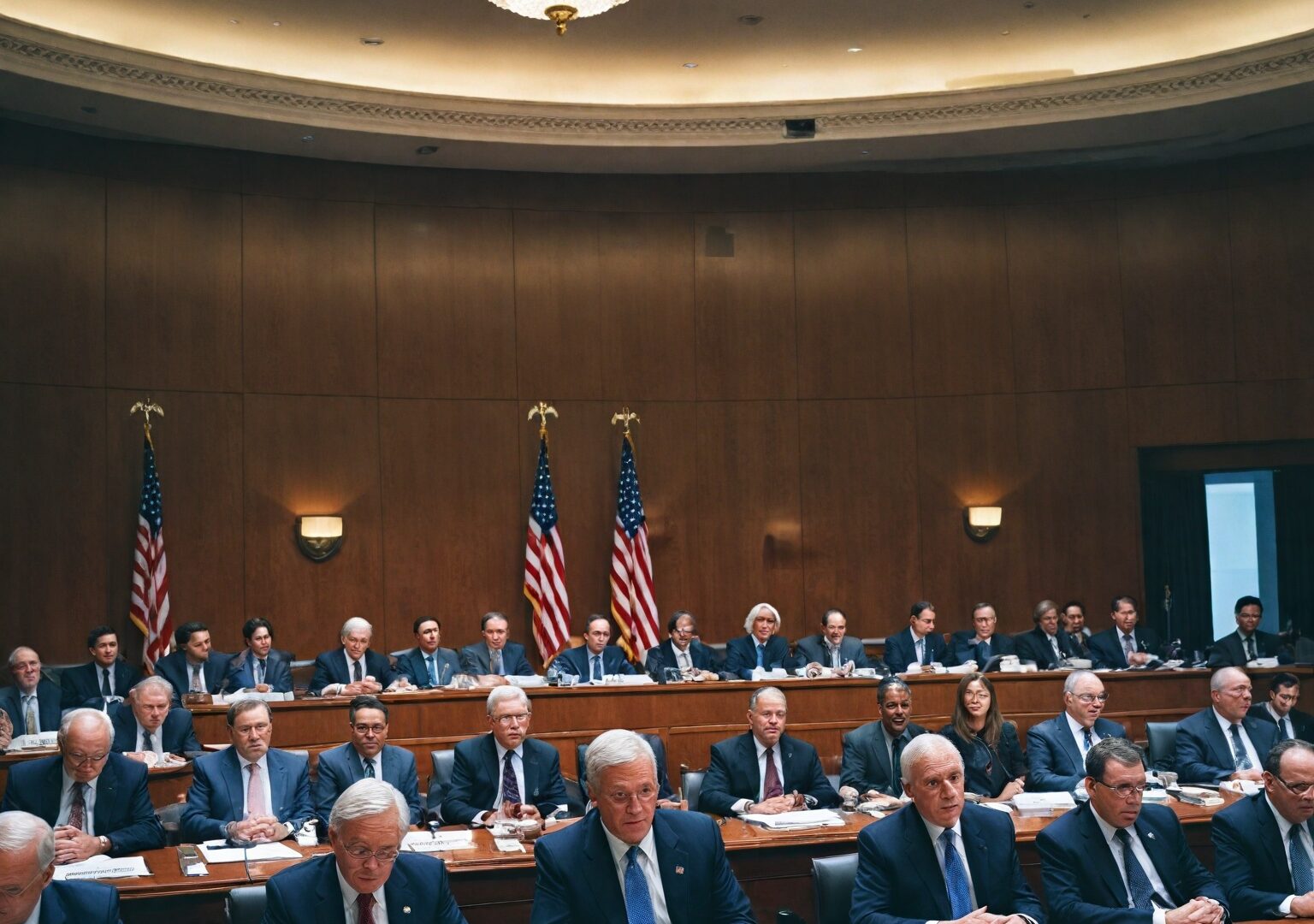
Senator Thom Tillis has emerged as a leading figure in advocating for the Senate Banking Committee to bring the stalled crypto bill to a vote. Tillis expressed optimism about the bill’s prospects but acknowledged the ongoing challenges, particularly delays stemming from lobbyist intervention. Significant roadblocks were encountered when crypto lobbyists, including Coinbase, retracted their support due to a controversial clause that prohibits exchanges from offering yield on stablecoins, an issue that has generated much debate within both financial and regulatory circles.
Through his remarks, Tillis underscored the necessity of addressing outstanding concerns—particularly those of banking lobbyists—before moving forward. He emphasized the importance of good faith negotiations as the deadline for markup approaches. In addition to this, the bill must tackle pressing issues such as protecting software developers from legal repercussions should illegal activities arise on their platforms, as well as establishing strict ethical guidelines for government officials involved in cryptocurrency.
Assessing Future Implications and Solutions
The outcome of this legislative effort could significantly influence the cryptocurrency landscape in the U.S. If passed, the bill may streamline the regulatory processes affecting digital currencies, facilitating greater adoption and clarity for both investors and market participants. Moreover, the focus on ethics is poised to ensure that the involvement of governmental figures in cryptocurrency does not lead to conflicts of interest or abuses of power.
As discussions continue, Senator Tillis hopes to unveil the finalized text of the bill to stakeholders before the markup session, aiming to foster transparency and inclusive dialogue. The future of the bill remains uncertain, depending on how well lawmakers can address the concerns raised by various interest groups and reach a consensus on the critical aspects of cryptocurrencies regulation.
In conclusion, the Senate’s efforts to advance the crypto market structure bill reflect a necessary response to the needs of a growing digital economy. With Senator Tillis pushing for a quick resolution to the bill’s contentious elements, stakeholders await the committee’s next steps. As these developments unfold, how might the crypto market evolve within the regulatory framework? What challenges could arise if the bill stalls further? And, how will consumer protection remain a focal point amidst the complexities of these regulations?
Editorial content by Charlie Davis
