






Highlights
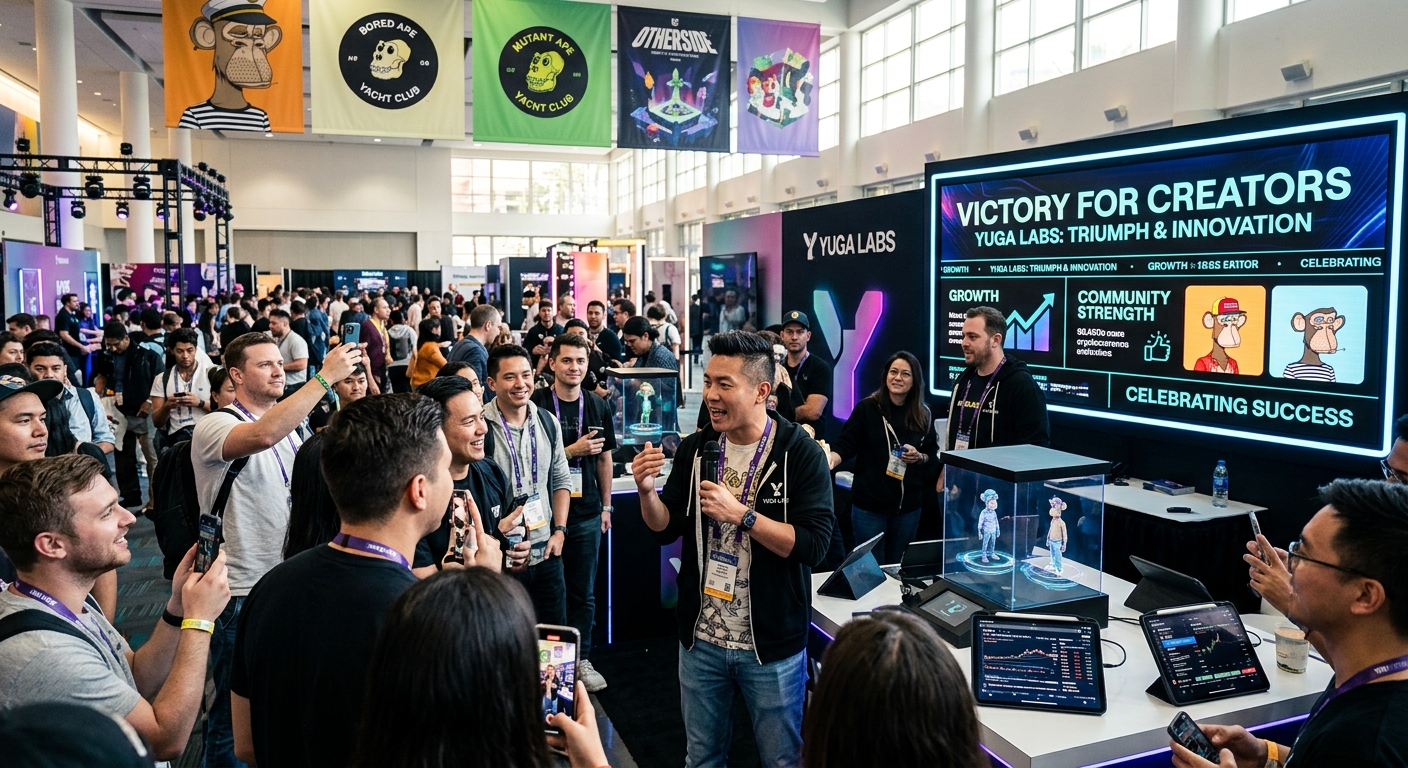
- The Bored Ape Yacht Club’s creator Yuga Labs reaches a settlement with artists accused of infringing on their copyrights.
- As part of the settlement, the artists are prohibited from using Yuga Labs’ imagery and must transfer all associated assets back to the company.
- This legal battle, which began in 2022, included a court ruling citing copyright violations and led to significant damages, rising to $9 million.
Introduction to the Legal Dispute
Yuga Labs, the pioneering force behind the wildly popular Bored Ape Yacht Club (BAYC), has successfully settled a protracted legal battle that highlighted the complexities of intellectual property in the burgeoning non-fungible token (NFT) space. The company had initiated the lawsuit against artists Ryder Ripps and Jeremy Cahen, who were accused of creating counterfeit NFTs resembling Yuga’s iconic ape images. This case not only underscores the challenges faced by NFT creators in protecting their brands but also illustrates the often-contentious nature of creative expression within the digital age.
The significance of this settlement extends beyond the individuals involved; it touches on the broader implications of copyright law as it applies to digital art and NFTs. The rapidly evolving landscape has raised important questions about how much freedom artists have to riff on existing works while still operating within legal bounds. As controversies in this sector continue to emerge, the outcomes of such legal disputes will undoubtedly inform future creators and impact industry standards.
The Core of the Settlement
Yuga Labs announced the settlement agreement in documents filed with the District Court for the Central District of California. The resolution prohibits Ripps and Cahen from utilizing Yuga Labs’ trademarks and requires them to relinquish control of any related assets, including smart contracts and NFT domains. This marks a significant turning point for Yuga Labs, reinforcing their intellectual property rights amidst ongoing debates regarding parody and satire in the NFT marketplace.
While Ripps and Cahen initially defended their actions as artistic expression and satire—which they argued should be protected under free speech laws—the court consistently found that the unauthorized NFTs they minted closely resembled Yuga’s creations, creating confusion among consumers. Just last year, the court ruled in favor of Yuga Labs and mandated that the artists pay damages that ballooned from an initial $1.37 million to nearly $9 million after further legal battles. This evolution in penalty reflects the severity with which the legal system treats copyright infringement in the burgeoning NFT world.
Implications for the NFT Industry
The conclusion of this legal saga sends a clear message to both artists and companies operating within the NFT sphere: intellectual property rights are paramount, and legal frameworks are adapting to meet the unique challenges presented by digital assets. With Yuga Labs’ firm stance on protecting its brand, other NFT creators may now be more cautious about their projects, particularly if they draw from existing works. This reality could lead to reduced innovation in some respects or encourage artists to work more collaboratively and transparently in the future.
As the world watches how these precedents shape the digital creative ecosystem, the case also sparks a conversation about equitable compensation models for creators. The settlement underlines the importance of due diligence and respect for intellectual property, both of which will play crucial roles in fostering a sustainable and ethical NFT market. The path forward invites deeper deliberations: Can a balance be struck between creative freedom and copyright enforcement? How will these legal rulings influence future NFT projects, and what best practices should emerging artists adopt to navigate this landscape?
In conclusion, the recent settlement between Yuga Labs and the artists who contested its trademarks symbolizes a significant moment in the NFT industry, reflecting the ongoing tensions between artistic expression and intellectual property law. As the dust settles, key questions remain. Will this case deter impersonation in the NFT market, or will it only further fuel the creative fire among digital artists? How will upcoming legal frameworks evolve to accommodate the needs of creators while ensuring protection for established brands?
Editorial content by Charlie Davis
