






Brazil’s B3 stock exchange recently sparked interest when it tokenized cows, allowing a farmer to collateralize ten cows for a loan of 100,000 Brazilian real (approximately $19,600). This innovative financial step showcases how blockchain technology can revolutionize asset liquidation for farmers, enabling them to use livestock as a new form of collateral. This move opens up a broader conversation about the potential for tokenization in various sectors by shifting traditional asset valuation methods.
As we explore the growing trend of asset tokenization, a pivotal question arises: If cows can be tokenized, what else might be fair game? From livestock to the unusual and bizarre, the world of tokenization has expanded to include a plethora of strange assets. Below are some of the most peculiar items that have successfully made the leap onto the blockchain.
Revolutionizing Asset Ownership
The tokenization of assets presents a transformative opportunity in how ownership and value are perceived. By converting tangible or intangible assets into digital tokens, individuals and institutions can enhance liquidity, broaden access to investment opportunities, and improve the transparency of asset transfers. The case of the tokenized cows is just the tip of the iceberg in terms of what assets could potentially be tokenized in the future.
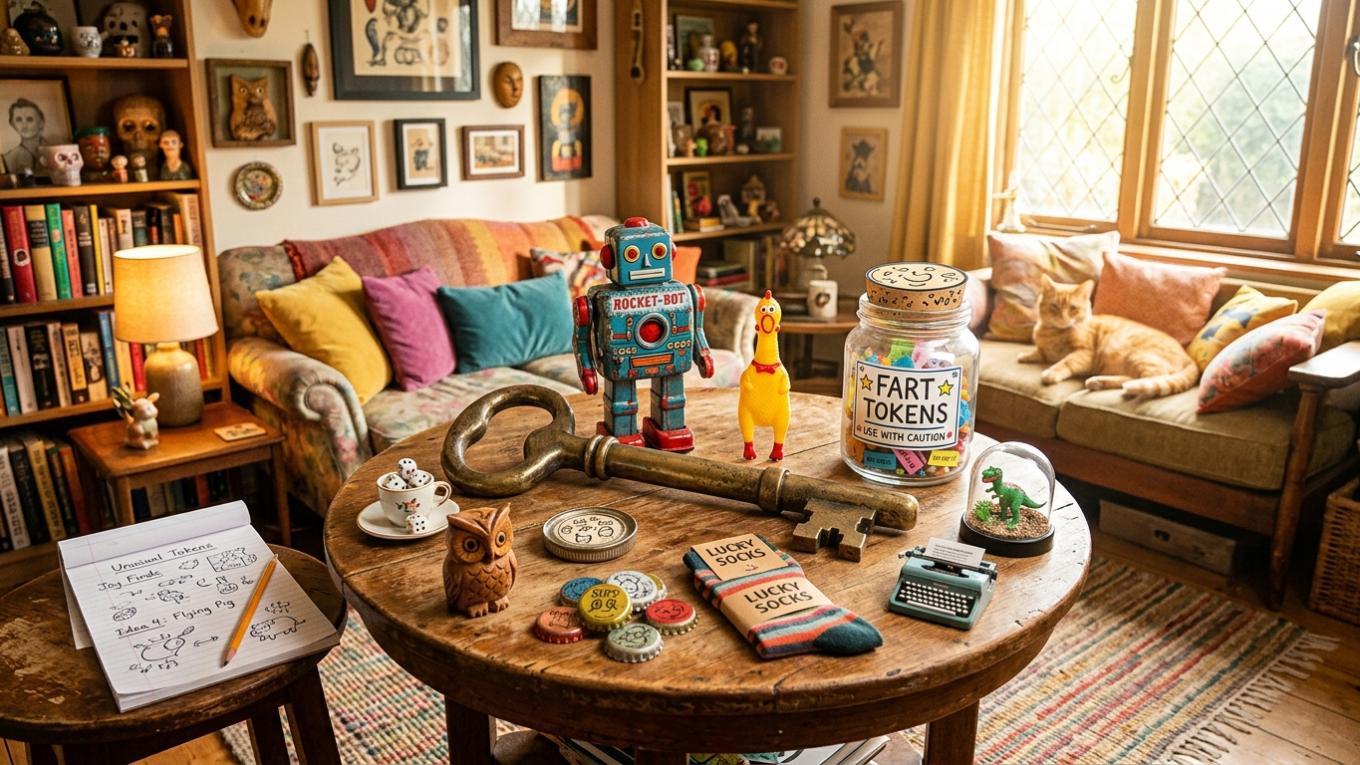
Examples that have emerged range from the unorthodox, such as a year’s worth of farts—a novelty NFT crafted by filmmaker Alex Ramírez-Mallis— to more conventional assets like whiskey barrels and racehorses. This diversity illustrates not only creativity in monetization but also how varied the application of blockchain technology can be across different sectors, from agriculture to entertainment.
Exploring Unique Tokenized Assets
In reviewing several bizarre yet fascinating items that have been tokenized, one cannot overlook the quirky introduction of a year’s worth of human flatulence as NFTs. While it raises eyebrows, it emphasizes the flexibility of the NFT space where anything, no matter how strange, can garner interest and value. Beyond flatulence, tokenization has penetrated industries like agriculture with livestock, positioning animals such as cows as viable collateral for loans, potentially paving the way for over $80 million in future livestock-backed financing in Brazil.
From cows to racehorses, where individuals can buy shares in thoroughbreds and partake in prize winnings, to high-end whiskey barrels that appreciate over time, the spectrum of tokenizable assets continues to expand. These examples showcase distinct ways of fractional ownership that challenge traditional investment models, creating a ripple effect across financial landscapes.
Implications and Future Considerations
The implications of this asset tokenization movement are profound. Not only does it democratize access to ownership and investment opportunities, but it also invites a conversation about the future of finance. If well-structured, tokenization can introduce immense efficiencies into markets traditionally burdened by illiquidity, high transaction costs, and opaque ownership systems. However, caution is advised; as Chris Turner, co-founder of KULA, noted, just placing an asset on the blockchain does not inherently make it more valuable.
Moreover, the reality that some tokenized projects, such as revenue-linked debt from fish sales, have faced challenges illustrates that blockchain cannot solve all of the limitations posed by existing legal structures or market practices. In a market ripe with innovation, the blending of tangible assets with blockchain is stirring curiosity and optimism, yet underscores the need for caution and due diligence when engaging in tokenized investments.
In conclusion, the phenomenon of asset tokenization is rapidly reshaping how we perceive ownership and financial viability, leading to the emergence of unconventional assets on the blockchain. As this trend evolves, questions remain: What other assets could be tokenized? What challenges might arise from the legal and regulatory frameworks governing these new financial instruments? Are there limits to what can truly be tokenized?
Magazine: The 100x obsession: Fundamentals grow in importance as crypto matures
Cointelegraph publishes long-form journalism, analysis and narrative reporting produced by Cointelegraph’s in-house editorial team with subject-matter expertise. All articles are edited and reviewed by Cointelegraph editors in line with our editorial standards. Some articles contain affiliate links, from which Cointelegraph may earn a commission. These relationships do not influence which products we review or our editorial conclusions. Content published in here does not constitute financial, legal or investment advice. Readers should conduct their own research and consult qualified professionals where appropriate. Cointelegraph maintains full editorial independence.
Editorial content by Charlie Davis
