






Highlights
- Hardware wallets provide a layer of security for cryptocurrency transactions by keeping private keys offline.
- Support for various cryptocurrencies and transaction handling methods varies between wallets, which is crucial when making a selection.
- Understanding the strengths and weaknesses of different wallet types can help users make informed decisions to protect their digital assets.
Understanding Hardware Wallets
In the world of cryptocurrency, security is paramount, and hardware wallets have emerged as a reliable solution to safeguard private keys required for transactions. Unlike software wallets that are vulnerable to online threats, hardware wallets keep these keys offline, significantly reducing the risk of theft. As more individuals invest in cryptocurrencies and as the market expands, the significance of choosing the right wallet cannot be overstated. A well-chosen hardware wallet not only protects your assets but also enables smooth and secure transactions.
This guide aims to unveil the nuances of various hardware wallets, exploring their features, advantages, and disadvantages. Given the variety of coins and technologies available today, understanding how to choose the best hardware wallet tailored to personal needs can empower users to manage their digital currencies efficiently and securely.
Features of Hardware Wallets
Hardware wallets protect private keys by placing the transaction signing process outside of potentially compromised devices like smartphones or computers. The protection these wallets offer is twofold: they keep thieves at bay by isolating sensitive information and often come equipped with screens to confirm transaction details before approval. This feature allows users to verify transaction authenticity, essentially creating a barrier against fraudulent transactions that could arise from malware attacks.
Nonetheless, it’s vital to understand that the effectiveness of a hardware wallet’s protection is contingent on the user’s vigilance. If a user unwittingly approves a malicious transaction or fails to secure their recovery backup, they could still face asset loss. Hence, users need to remain informed about the importance of their recovery phrases and wallet software updates to maintain robust security practices.
Choosing the Right Wallet for Your Needs
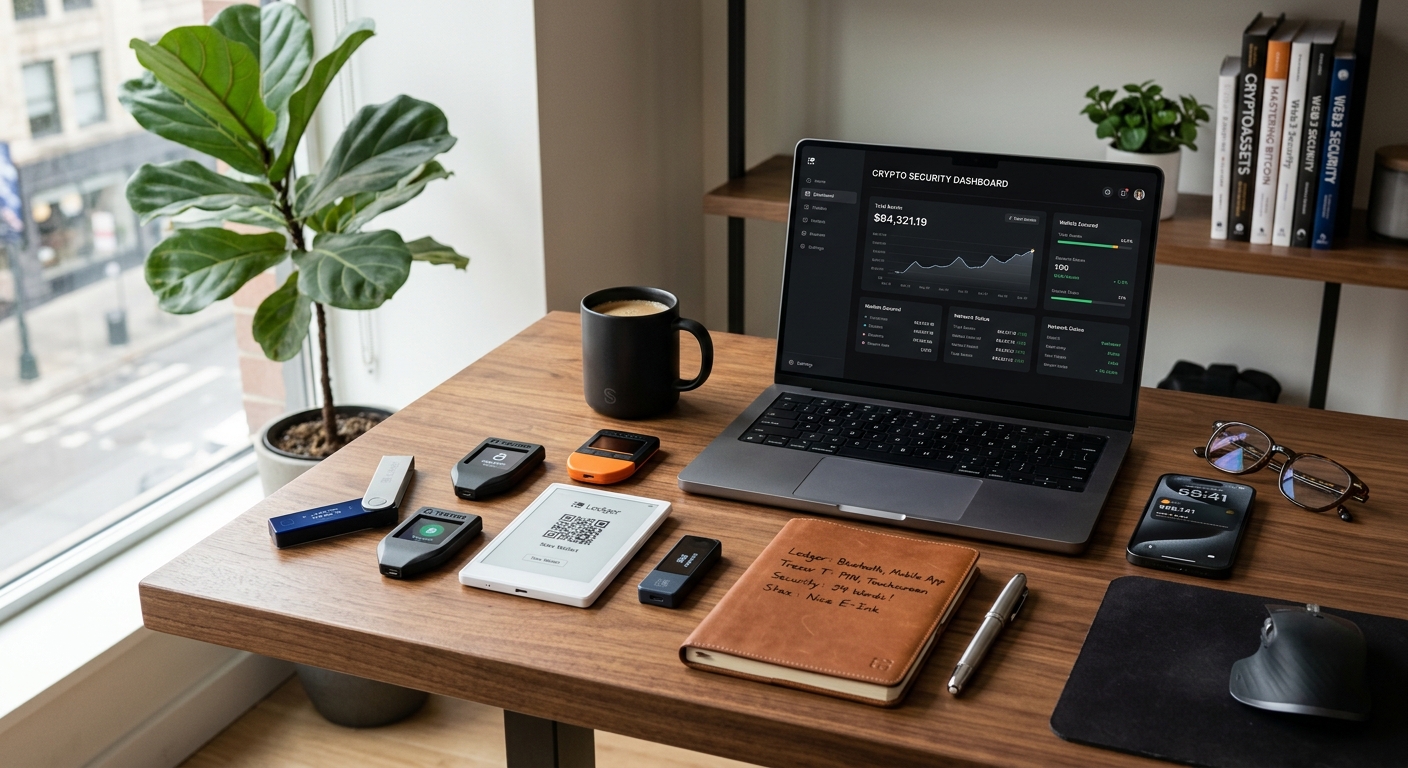
When selecting a hardware wallet, the first step is to assess which cryptocurrencies you hold and the platforms you intend to use. Wallets range from multi-asset options that support various digital currencies to specialized models designed to facilitate Bitcoin transactions only. Some wallets connect through Bluetooth, while others use USB or QR codes to complete transactions, showcasing a diverse range of user experiences.
Furthermore, it’s significant to consider the wallet’s security features, user interface, and compatibility with other applications. Whether opting for a visually intuitive touchscreen model or a functional keypad setup, finding a wallet that aligns with personal security needs and technological comfort can greatly enhance the user experience and safeguard assets. Ultimately, hardware wallets stand as a crucial tool in mitigating risks in the cryptocurrency realm but require informed usage and prudent management.
Conclusion
In summary, the evolving landscape of cryptocurrency has made hardware wallets a necessary accessory for secure transactions. Users should approach their selection process with careful consideration of the wallet’s features, security measures, and compatibility with various currencies. Awareness of potential vulnerabilities and the need for protective measures remains crucial.
What challenges have you faced while safeguarding your cryptocurrency? How do you assess the effectiveness of your current wallet choice? Are there features you wish your wallet had that could enhance your security and user experience?
Cointelegraph publishes long-form journalism, analysis and narrative reporting produced by Cointelegraph’s in-house editorial team with subject-matter expertise. All articles are edited and reviewed by Cointelegraph editors in line with our editorial standards. Some articles contain affiliate links, from which Cointelegraph may earn a commission. These relationships do not influence which products we review or our editorial conclusions. Content published in here does not constitute financial, legal or investment advice. Readers should conduct their own research and consult qualified professionals where appropriate. Cointelegraph maintains full editorial independence.
Editorial content by Finley Adams
