






Highlights:
- Despite a 20% drop in Bitcoin prices in June 2026, spending on onchain gacha peaked at $324 million, marking a significant increase from the previous year.
- The trading card industry is rapidly evolving, with projects transferring real-world assets like Pokémon cards onto the blockchain, creating new buying, selling, and trading opportunities.
- While speculation and gambling-like experiences are prevalent, the emerging market also attracts genuine collectors who value authentic and graded card acquisitions.
The Rise of Onchain Gacha in a Down Market
June 2026 marked a challenging period for the cryptocurrency landscape, highlighted by a staggering 20% decline in Bitcoin (BTC) prices, plummeting to a 21-month low. The tumultuous market atmosphere was further punctuated by unprecedented outflows from spot Bitcoin ETFs, totaling $4.5 billion. However, amidst this volatility, a surprising trend emerged — users channeled a record-breaking $324 million into onchain gacha, underscoring a shift in interest towards digital collectibles, particularly within the realm of trading cards.
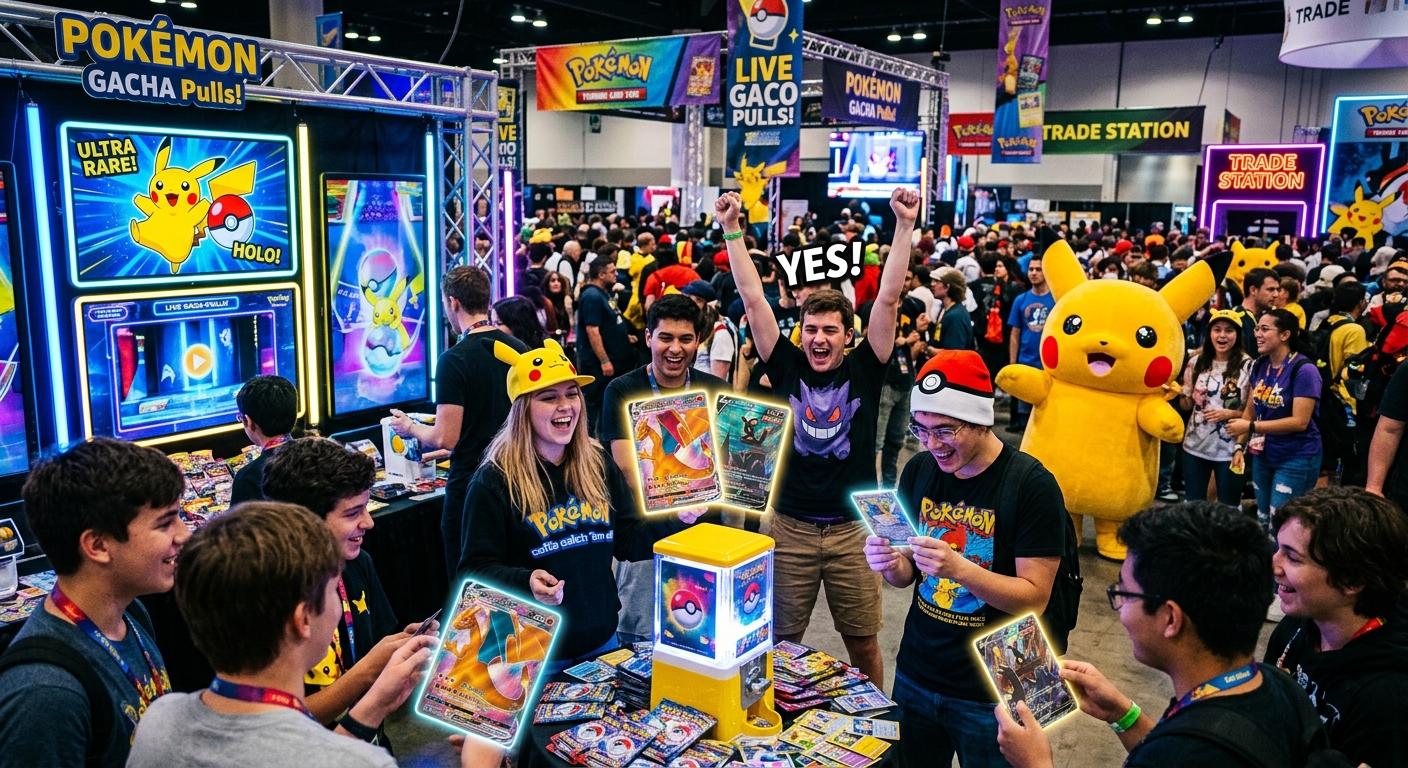
Gacha, a term originated from Japanese vending machines which yield random items for a set fee, is creating new dynamics in the trading card game (TCG) sector. As traditional prices are being challenged and speculation brews in crypto markets, this burgeoning segment is capturing the attention of investors and collectors alike, making it increasingly significant to understand how and why this trend is evolving today.
Diving into the Mechanics of Gacha
At its core, gacha systems utilize a format similar to traditional booster packs in card collecting, wherein buyers obtain a sealed assortment of random cards, often valued differently based on rarity, condition, and demand. With the trading card market valued at billions, it is clear that the emergence of fully-fledged blockchain platforms has created new avenues for collectors. Industry players like Collector Crypt and Courtyard are introducing tokenized versions of physical cards, issuing NFTs that represent the ownership of a real-world asset stored securely in vaults.
This innovative approach enables users to engage in dynamic trading experiences where they can buy, sell, and auction their assets almost instantaneously. Still, reliance on the vault’s integrity raises concerns regarding custodial risk and the authenticity of assets amidst reports of counterfeiting. The speculative nature of onchain gacha also mirrors the appeal of gambling, as users seek a mixture of excitement and profit potential from their purchases, akin to loot boxes in gaming.
The Implications for Collectors and Speculators
The intersection of technologic advancements and evolving consumer habits brings both opportunities and cautionary tales. As the onchain gacha craze continues, genuine collectors and casual speculators are both actively engaging in this realm, with many opting to redeem their NFTs for physical cards instead of merely flipping them for profit. This behavior indicates a desire for authenticity and tangible connections to the items they collect, which can potentially safeguard the market against purely speculative bubbles.
However, the fast-paced nature of digital trading raises important questions about sustainability and regulation. With the market’s significant growth comes an urgent necessity to address the potential exploitative aspects linked to gamification. Traditional collectibles markets have long struggled with issues related to liquidity and transaction efficiency; the role of tokenized gacha platforms could be pivotal in altering the landscape for these seasoned industries.
In conclusion, the onchain gacha phenomenon reflects a fusion of tradition and technology, revealing a complex web of collector behavior, investment speculation, and evolving market dynamics. As we look ahead, what measures can be taken to ensure the integrity of these platforms? How can they cater to the duality of collector interests while navigating the speculative nature of the market? The answers to these questions may ultimately shape the future of trading card investments in a digital world.
Editorial content by Finley Adams
