





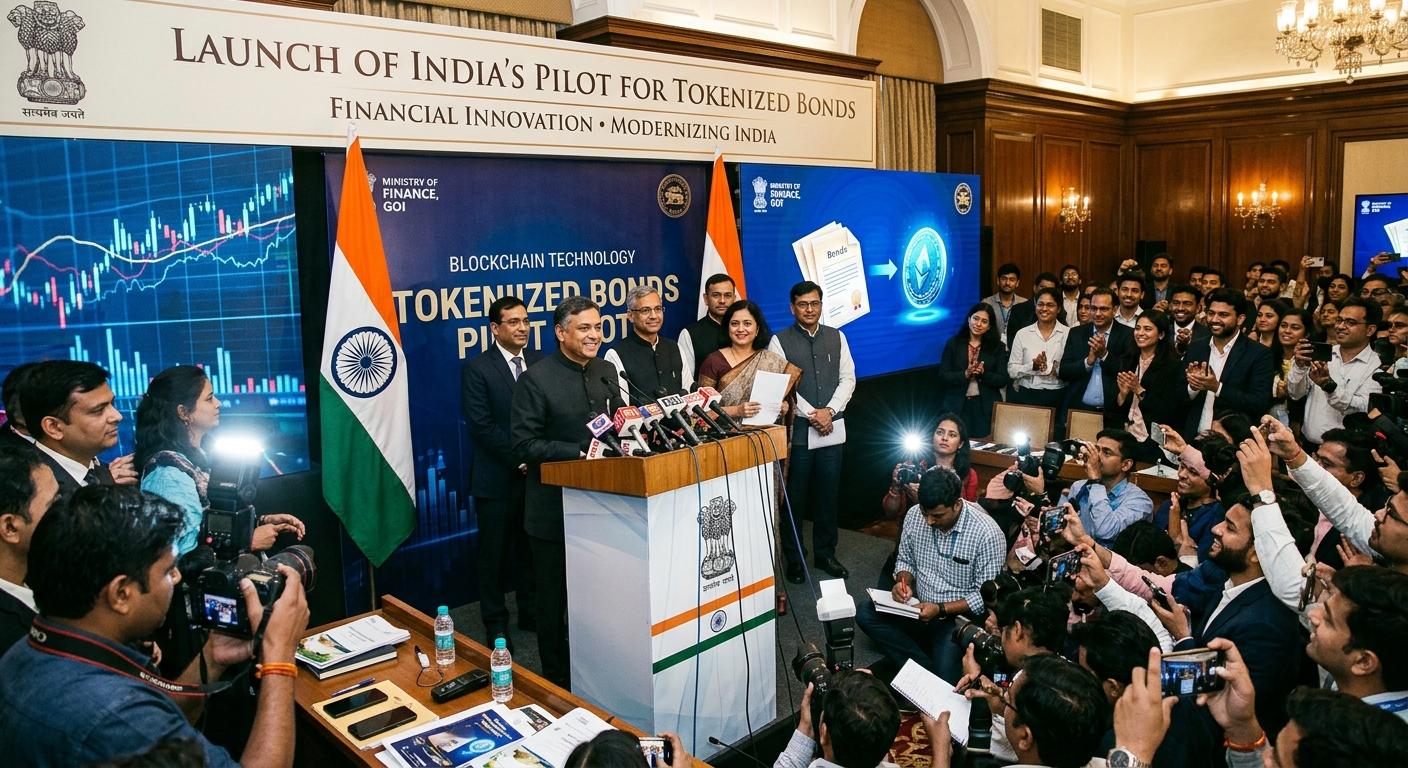


- India launches a tokenized corporate bond pilot with a total issuance of over $107 million.
- Demat 2.0 enhances transaction efficiency, allowing near-instantaneous settlement and automated processes.
- The initiative positions India as a pioneer in integrating CBDCs with bond markets and existing infrastructural frameworks.
Introduction to India’s Tokenized Bond Revolution
India is making significant strides in the world of finance with the recent launch of a tokenized corporate bond pilot by the Securities and Exchange Board of India (SEBI) and the Reserve Bank of India (RBI). This groundbreaking initiative, termed Demat 2.0, enables corporate bonds to be issued and held as digital tokens, representing a transformative shift in how bonds are traditionally managed. With three companies already on board, the pilot program has successfully raised a total of 10.25 billion rupees, approximately $107 million.
The importance of this pilot lies not only in the amount raised but also in its potential to reshape India’s financial landscape. By integrating the issuance of digital tokens with the country’s centralized digital currency, this initiative could significantly streamline the bond issuance process and enhance market efficiency. With the ability to settle transactions almost instantaneously through atomic settlement and automated smart contracts, the program marks a pivotal step in modernizing India’s bond market.
Diving Deeper into Tokenization
The pilot commenced with successful bond issuances from three distinct entities: the public-sector lender REC, which attracted 5 billion rupees from 18 investors, followed closely by engineering giant Larsen & Toubro (L&T) with a similar amount from four investors. Non-bank lender IIFL chipped in with 250 million rupees, showcasing diverse participation in this innovative approach. One of the most remarkable attributes of this infrastructure is the elimination of the traditional waiting period of two to three days for fund allocation, which allows issuers to access funds immediately after bidding.
Moreover, SEBI has confirmed that this endeavor will eventually pave the way for secondary trading through established platforms while also expanding access to retail investors in later phases. Investors can benefit from holding their tokenized bonds in existing Demat accounts, streamlining the process while ensuring compliance through existing Know-Your-Customer protocols. This comprehensive framework not only propels efficiency but maintains the integrity and legal status of the bonds involved, offering critical investor protections throughout.
Implications and Future Prospects
The launch of this tokenized bond pilot sets the stage for significant implications on both the national and global financial front. As the first country to successfully combine bonds issued on a distributed ledger with settlements in wholesale central bank digital currency, India is forging a path that could inspire other markets to explore similar integrations. The move reflects an acknowledgment of the changing financial landscape, where traditional methods can be enhanced using cutting-edge technology.
Looking ahead, SEBI’s ongoing pilot serves as a testing ground from which lessons will be learned for broader implementation. The pilot’s outcomes will guide future regulatory frameworks and technological applications, ultimately leading to a more inclusive financial system. As the bond market evolves, stakeholders and investors alike are encouraged to pay attention to how these changes can impact their strategies and operations in the ever-adapting economic environment.
In conclusion, India’s tokenized bond pilot is a remarkable step toward modernizing finance, presenting both opportunities and challenges in the realm of corporate bonds. How will these developments shape investor behavior and market dynamics in the long run? What lessons can other nations draw from India’s pioneering efforts in integrating technology within traditional financial systems?
Editorial content by Quinn Taylor
