






Highlights
- Kevin Warsh’s recent appointment as Federal Reserve Chairman is sparking speculation about potential interest rate cuts.
- Comments from key U.S. officials support the idea that monetary policy could shift towards lower rates by 2026.
- Market analysts reveal mixed sentiments, with some forecasting rate hikes in the near future amid economic explanations and political scrutiny.
Shifting Economic Landscape Under Warsh’s Chairmanship
Kevin Warsh has taken the helm as the Chairman of the U.S. Federal Reserve, and with this leadership change comes a whirlwind of speculation regarding future interest rate policies. The significance of Warsh’s appointment cannot be understated, as he steps into a role that plays a pivotal part in shaping the country’s economic landscape. Many market participants are closely watching how his decisions could impact both traditional assets and emerging markets, notably cryptocurrencies like Bitcoin.
Recent statements from notable figures such as President Donald Trump emphasize a desire to balance national economic growth with inflation control. This delicate dance poses challenges for Warsh, who will need to navigate through an increasingly complex financial environment while maintaining the Federal Reserve’s independence. The pressure is on as traders, investors, and analysts attempt to decipher how Warsh will approach interest rates, potentially reshaping investment strategies across multiple sectors.
Debating Future Rate Actions: Cuts or Hikes?
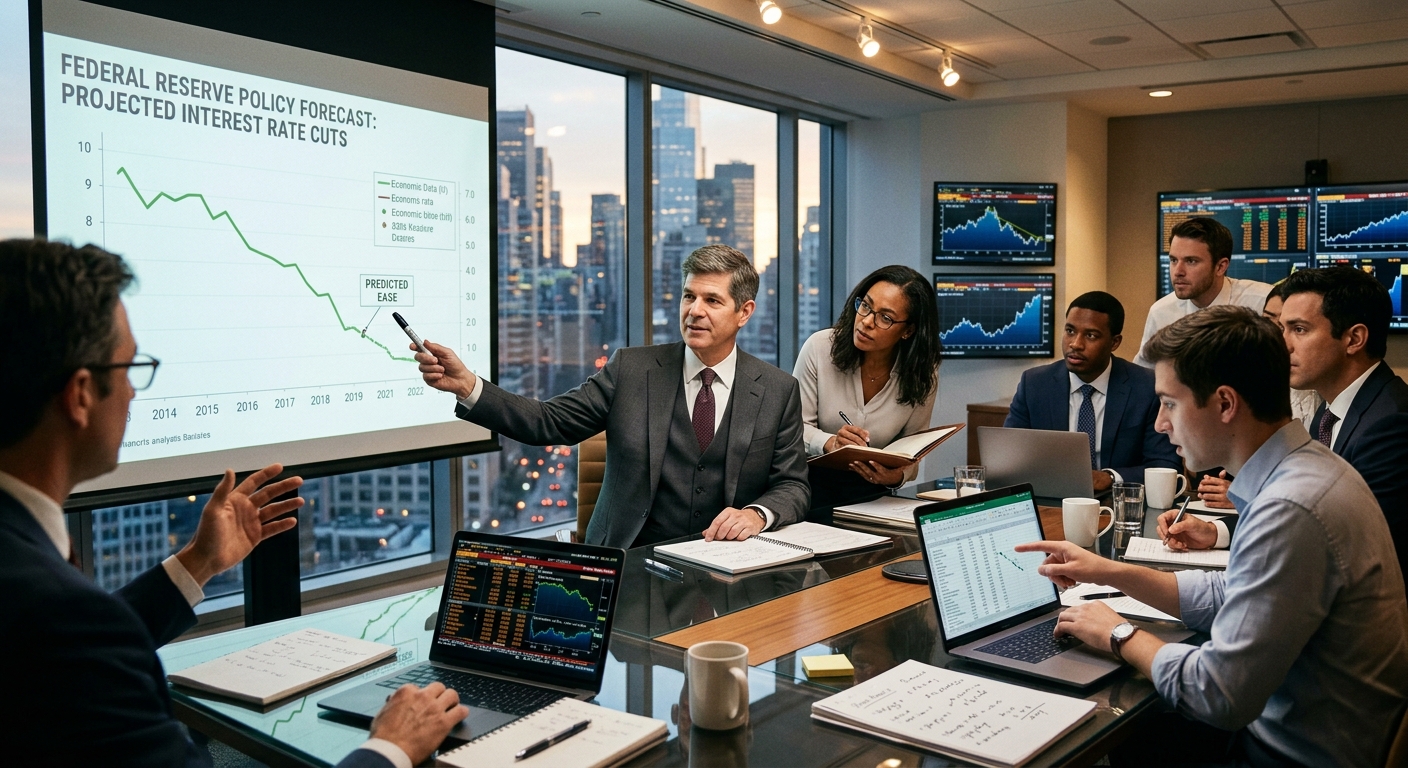
Market sentiment is divided when it comes to predicting Warsh’s policy direction. A significant 68% of traders currently anticipate a 25 basis point increase by December 2026, according to data from the Chicago Mercantile Exchange (CME) Group’s FedWatch tool. Despite this prevailing view, there is considerable commentary suggesting that Warsh may actually favor cutting interest rates soon, using factors like AI-driven productivity and alleviating inflation to justify his decisions. Analyst Lawrence Lepard has voiced support for this perspective, suggesting that supporting “risk-on” assets, including Bitcoin, might be part of Warsh’s strategy.
However, the debate is further complicated by the scrutiny Warsh faces from lawmakers regarding his commitment to Federal Reserve independence. Concerns voiced by figures such as Senator Elizabeth Warren highlight the potential conflicts of interest that could arise, particularly in light of the Trump family’s involvement in cryptocurrency ventures. As investors grapple with these conflicting narratives, they face the prospect of market volatility and uncertainty surrounding monetary policy in the months ahead.
Implications and Future Outlook for Market Participants
The implications of Warsh’s policies could reshape the financial landscapes for millions of investors. Should rates be cut, risk-on assets like Bitcoin and stocks may experience a resurgence, spurring further investment and speculation. Conversely, if the anticipated rate hikes come to fruition, the market could brace for a period of decline, particularly affecting Bitcoin and other cryptocurrencies that thrive in low-interest environments.
Moving forward, the next steps taken by the Fed under Warsh’s leadership will be crucial. Strategies to mitigate national debt through growth, as projected by Trump, suggest a potential expansion of monetary supply. Given this climate of uncertainty, analysts, traders, and everyday investors must remain vigilant and adaptive to evolving market conditions and policy stances.
In conclusion, as Kevin Warsh steps into his role as the Federal Reserve Chairman, the economic landscape is fraught with uncertainty and potential for change. Will he defy the prevailing expectations and opt for rate cuts to bolster growth, or will he uphold current consensus views and implement rate hikes? How will these decisions affect both traditional and emerging markets, especially in the realm of cryptocurrencies? These questions linger as the market anticipates a high-stakes game of economic chess.
Editorial content by Finley Adams
