






Highlights
- Solana Foundation introduces Solana Governance Proposals (SGPs) for decentralized decision-making.
- Proposals must secure at least 15% support from staked SOL tokens to progress to on-chain voting.
- SGPs distinguish governance decisions from technical protocol upgrades for clearer operations.
The Evolution of Governance in Blockchain
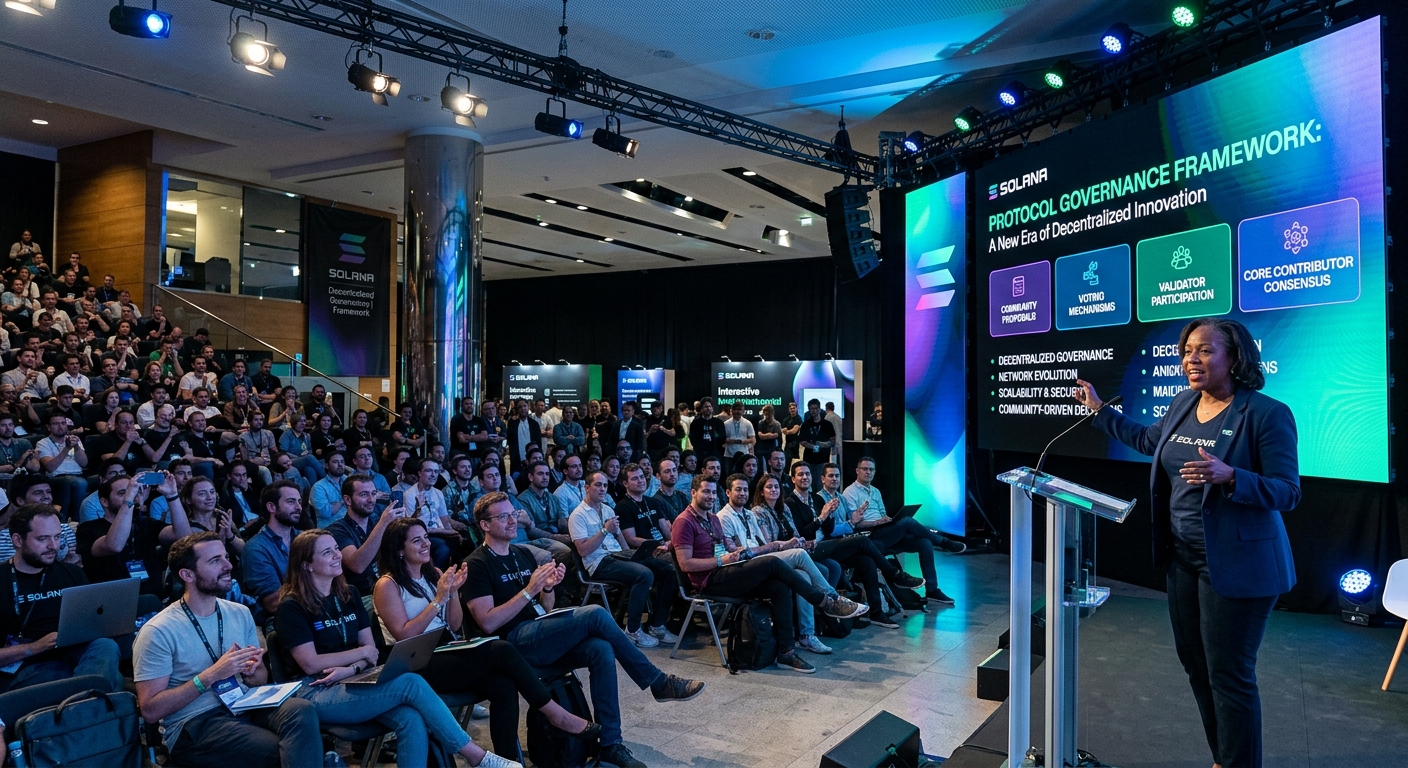
The Solana blockchain, recognized for its speed and scalability, is continually evolving to enhance its governance structure. The Solana Foundation, which focuses on the network’s development and well-being, recently unveiled a groundbreaking framework named the Solana Governance Proposals (SGPs). This initiative marks a significant shift towards transparency and community involvement, allowing stakeholders to engage actively in decision-making processes that shape the blockchain’s future.
In a landscape where decentralization is paramount, the introduction of SGPs is crucial. It shifts governance from centralized control to a more democratic model, granting validators and SOL token holders the power to directly propose and vote on significant protocol changes. The relevance of such a system lies not only in enhancing the Solana community’s engagement but also in setting a precedent for other blockchain networks aiming to balance technical advancement with a democratic stakeholder approach.
Core Features of Solana Governance Proposals
At the heart of the SGP framework is a structured voting process that necessitates a minimum endorsement from validators representing 15% of the staked SOL tokens. This threshold is designed to ensure that only proposals with substantial community backing are put to a formal vote, filtering out less impactful ideas. Moreover, validators with at least 100,000 SOL tokens can initiate new proposals, thus democratizing the governance process by allowing more voices to participate in shaping the network’s direction.
SGPs offer SOL stakers the opportunity to express their dissent more effectively, as they can override their validators’ votes if they disagree with them. This feature promotes a more personal engagement in governance, fostering a sense of accountability and collaboration among participants. By clearly separating governance decisions from technical protocol upgrades—addressed separately through Solana Improvement Documents (SIMDs)—the framework supports a more structured evolution of both community input and technological development.
Looking Ahead: Implications and Future Outlook
The introduction of SGPs is not merely a procedural enhancement; it has broader implications for the Solana ecosystem. By establishing a governance framework that emphasizes community engagement, Solana is positioning itself to respond to the challenges of decentralized decision-making while maintaining focus on innovation. This approach could serve as a model for other networks, such as Polkadot and Cosmos, fostering an environment where community-driven decisions lead to sustainable growth.
As blockchain technology advances, the lessons learned from the SGP rollout could greatly influence how governance evolves across different platforms. The focus on enabling a vibrant ecosystem that allows stakeholders to contribute meaningfully to the governance process could pave the way for more resilient and responsive blockchain infrastructures. It remains to be seen how effective this system will be in practice and how it will impact the overall direction of the Solana network.
Conclusion
In conclusion, the Solana Foundation’s introduction of SGPs marks a transformative step in the way Solana and potentially other blockchain networks manage governance. By empowering validators and stakeholders in the decision-making process, it not only encourages community participation but also paves the way for future enhancements and innovations. As this framework unfolds, one may wonder: How will the success of SGPs influence other blockchain projects? What challenges might arise in executing such a decentralized governance model? Will the Solana community be able to respond effectively to the growing complexities of governance as they continue to develop?
Editorial content by Quinn Taylor
